High mast lighting poles provide reliable illumination for busy airports and seaports, where clear visibility is essential for safe operations. These facilities must meet strict FAA and ICAO safety requirements while dealing with salt air, moisture, and strong coastal winds. Modern lighting systems are designed to handle these demanding conditions.
The global airport lighting market will grow from $175.16 billion in 2025 to $386.75 billion by 2034. Durable hot-dip galvanizing helps protect lighting poles from corrosion, while internal lowering systems make maintenance safer and easier from ground level. Together, these features reduce maintenance needs and help keep transportation facilities operating reliably.
Key Takeaways
- High mast lighting poles shine light over large airport and port areas while cutting down on harsh glare for workers.
- Hot-dip galvanized steel and special protective layers shield lighting poles from harsh ocean salt damage and powerful windstorms.
- Built-in lowering systems inside tall poles let workers do repairs safely on the ground without needing costly equipment.
- Smart lighting controls automatically change brightness levels to lower total energy expenses by as much as 75 percent.
Steel High Mast Lighting Pole Solutions for Airports
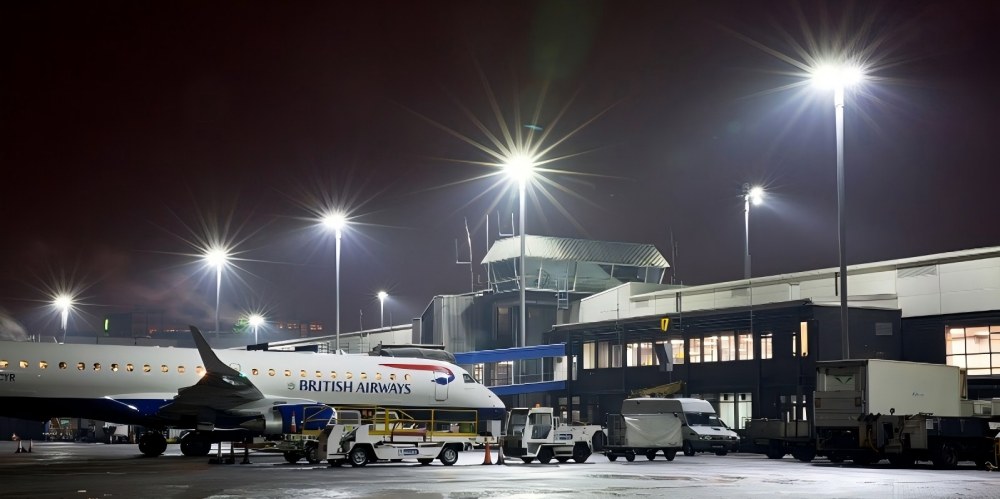
High Mast Lighting Poles for Large Area Illumination
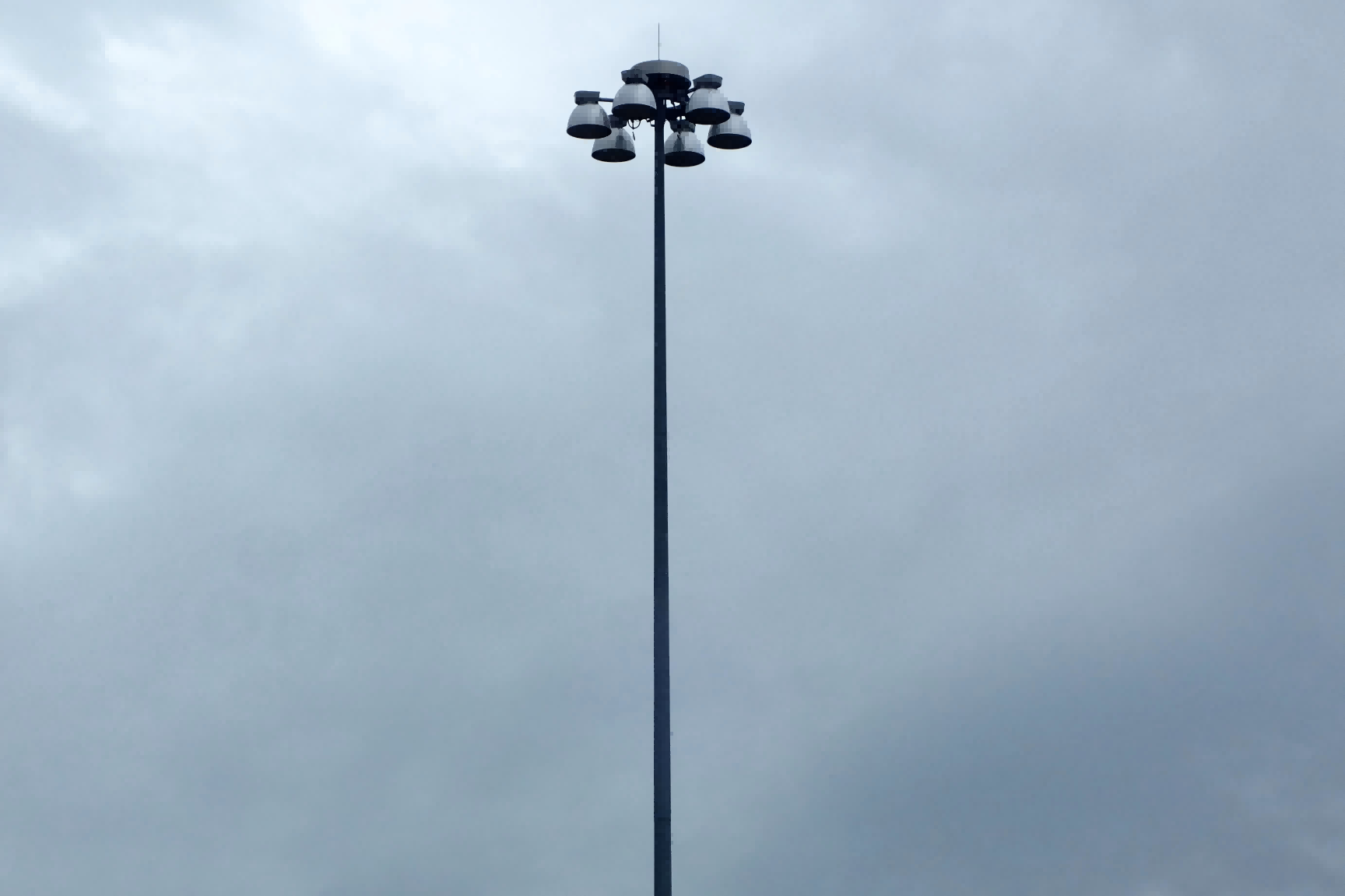
High mast structures help people see clearly across huge airfield zones. Engineers choose these tall systems to cover wide aprons while removing visual clutter. High mast LED luminaires usually use 400W to 1200W for each light head. These fixtures bring needed light levels to active areas without creating dangerous glare for pilots and air traffic controllers.
Correct mounting heights guarantee good light coverage over big open spaces. Picking the right pole heights reduces the total number of physical poles on the ramp.
| Application Area | Typical Mounting Height | Typical Illuminance (Lux) | Notes |
|---|---|---|---|
| Large Airports (General) | 35 – 50 meters | 50 – 100 lx | For specialized applications like large airports, 35-50m poles should be considered. |
| Airport Apron (General) | 40 – 50 meters | 30 lx (average) | Higher poles minimize number of poles and reduce glare for pilots/controllers. |
| Airport Apron (Stand-by) | Not Specified | 20 – 30 lx | Typical lux level for stand-by positions. |
| Airport Apron (Active Service) | Not Specified | 30 – 50 lx | Typical lux level for active service areas. |
Steel Lighting Poles Designed for Aviation Infrastructure
Airfield side roads and taxiway areas need special steel pole design. Safety rules require frangible support systems near active runways to protect planes during crashes. Tools like the Pole-Safe Light Pole Support System and Frangible Fuse Bolts soak up crash energy well. Special breakaway couplings break cleanly during a crash to lower vehicle damage.
Picking the right frangible coupling depends on specific riser threads and baseplate styles. Engineers choose exact aluminum connection parts to keep structures strong during normal daily use.
Every high-performance Lighting Pole must handle strong wind gusts without bending out of place. Tough steel building keeps poles standing firm during awful ocean storms.
Airport and Port Lighting Pole Applications
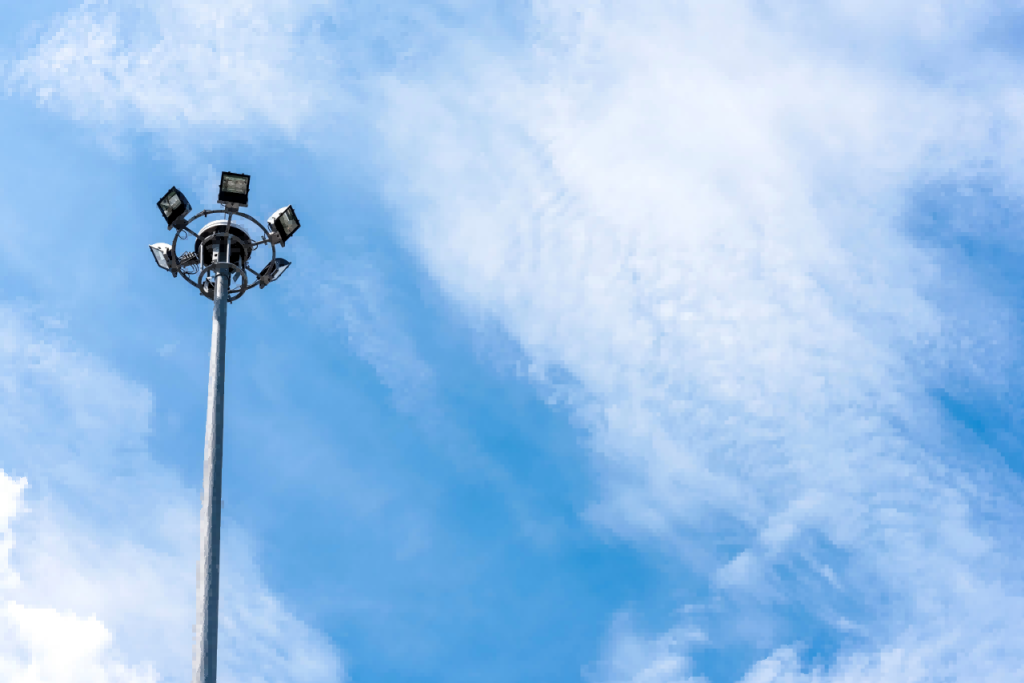
Busy transport hubs require expert structural engineering to run smoothly every day. Project leaders should carefully test material strength before putting equipment in rough coastal areas.
In many coastal areas, aluminum, fiberglass, or stainless steel work better than galvanized steel. They fight off rust better and need less repairs over time.
| Material | Corrosion Resistance | Strength & Stiffness | Upfront Cost |
|---|---|---|---|
| HDG Steel Poles | Good (Sacrificial zinc coating) | Superior (Handles heavy loads) | Lower (40-70% cheaper than aluminum) |
| Aluminum Poles | Excellent (Self-healing oxide layer) | Good (Higher deflection) | Higher (2-3x steel) |
Lighting Poles for Airport Aprons Runways and Taxiways
Airfields need exact lighting setups to keep ground operations safe for everyone. Apron floodlights usually sit 15 to 40 meters high and produce 28,000 to over 150,000 lumens across wide areas. Engineers set up warning lights that meet ICAO Annex 14 and FAA L-810 rules. These include 32 cd red LED safety lights placed on tall poles.
Stopping blinding glare near active flight paths is vital for keeping workers safe. Engineers place apron lights at least twice as high as a pilot’s normal viewing line. Light aiming angles should never go past 65 degrees from the main pole. This careful setup prevents unwanted light from blinding landing planes or control towers.
Lighting Poles for Port Terminals Docks and Container Yards
Ocean ports create tough weather conditions because of salty sea spray and powerful winds. High-quality steel posts use hot-dip zinc coatings at 85μm thickness under ASTM A123 standards. Adding a top powder coat layer of 100μm builds a strong protective shield over the steel. This double-layer system easily survives 96 hours of salt spray testing without rusting or pitting.
Container yard poles handle fierce storm winds through smart structural design work. Standard poles withstand 24.5 m/s winds while keeping a strong safety factor of 1.8. Teams secure base parts and cover plates with Grade A4 stainless bolts to prevent rust spots.
Morelux offers 15 years of experience making custom steel poles for major transport sites. The company crafts tapered, eight-sided, round, and stepped poles built for severe wind conditions. Every custom Lighting Pole fully meets global structural rules like AASHTO, BS EN, and AS/NZS.
Lighting Poles for Parking Areas Roads and Access Routes
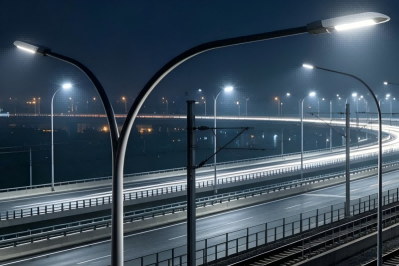
Entry roads and parking lots need clear, steady lighting to keep drivers safe. Adding smart control tech to outdoor systems greatly cuts power use across big facilities. Automated setups adjust brightness on the fly by sensing cars and walking traffic.
Using smart control systems cuts total energy use by 60 to 75 percent over old systems. Site managers save another 15 to 25 percent on power by dimming lights on automatic schedules. Remote control software lets managers tweak every single light across the entire site from one main office.
Advantages of Lighting Poles for Airport and Port Projects
Busy hubs rely on strong gear to hold heavy floodlights. These special poles give great structural safety and save money over time.
High Strength Steel Structures for Heavy Duty Applications
Busy travel centers need sturdy poles for high lights. Structural engineers pick strong steel to endure big impacts and heavy daily loads.
For bridge construction, grades like EN 10025 S355J2 and ASTM A572 Gr 50 are preferred for their high tensile strength and weldability. These same grades are also used in civil infrastructure projects such as airport hangars, confirming their suitability for heavy-duty applications like lighting poles.
These steel choices offer high yield strength and great tensile power. Using these strong materials keeps tall poles safe in busy work areas.
Corrosion Resistant Finishes for Marine Environments
Salty ocean air quickly ruins regular metal surfaces. Special coatings guard every outdoor Lighting Pole from harsh coastal weather conditions.
| Advantage Category | Supporting Evidence from Text |
|---|---|
| Lifecycle Cost Reduction | Integrated functions lower maintenance; hot-dip galvanizing cuts repair costs. |
| Safety | Structural compliance with EN 40 or AASHTO LRFD ensures integrity and minimizes glare. |
Hot-dip galvanizing makes a protective outer layer that stops rust. Putting cameras and lights on one pole reduces future repair expenses. Good fixture placement lowers glare, which protects workers in busy port sites.
Wind Resistant Designs for Outdoor Industrial Projects
Coastal areas face very strong winds during big storms. Tapered steel poles with octagonal shapes improve stability by reducing wind resistance and handling strong air movement more effectively.
Tapered Octagonal Design: Optimized aerodynamic shape improves structural stability and reduces vibration under wind load.
- Reduced windward area: A thinner top reduces the total surface area exposed to extreme wind gusts.
- Increased base strength: A wider base safely resists heavy bending forces at ground level.
- Lower center of gravity: A lower balance point keeps structural towers stable during extreme ocean storms.
This clever design keeps lights steady and protects worker safety across outdoor industrial sites.
Selecting the Right Lighting Pole for Airport and Port Areas
Choosing Proper Height and Lighting Coverage Requirements
Engineers check vertical clearance and light coverage to improve safety at big sites. Picking proper pole heights prevents hazards near flight paths. Designers connect smart tech tools straight into power networks. Automated scheduling, zone dimming, and remote monitoring software improve operations along roads and container yards.
The following selection criteria outline crucial parameters for infrastructure planning:
| Selection Criteria | Key Considerations & Requirements |
|---|---|
| Height | Must comply with FAA FAR Part 77 regulations to avoid obstructing navigation surfaces. Poles exceeding 35 feet require integrated lowering devices for maintenance. Taller poles illuminate larger areas but are subject to greater wind forces. |
| Wind Load | Requires analysis of wind speed ratings and the Effective Projected Area (EPA) of the pole. This assessment ensures structural integrity and prevents failure during storms. Taller poles necessitate higher wind speed ratings. |
| Maintenance Access | Layout must allow physical access to every pole. Specifying an extra handhole during ordering provides flexibility for optimal access point placement. Easy access to wiring and fixtures is critical for safety and efficient repairs. |
Considering Wind Load Installation and Maintenance Factors
Wind load checks protect tall posts during severe coastal storms. Structural teams calculate wind speed ratings and projected surface area to avoid dangerous failures. Workers need safe access to internal electrical wiring. Choosing a custom Lighting Pole with extra handholes makes wiring fixes easy.
High mast units use modular designs and lowering systems for ground-level repairs. The internal latching lowering mechanism operates through these specific steps:
- The latch pin connects to the support ring using a ball joint to pivot freely.
- The ball joint lets the pin pivot instead of bending if the ring tilts while lowering.
- This swinging motion stops pin damage even when the support ring hangs on one side.
- The large nose on the latch pin centers the part as it enters the barrel.
- This centering feature prevents jams between the pin and the main cam latch frame.
- This setup lets workers lower the ring safely and lock it back into place.
Our Custom Airport and Port Lighting Pole Solutions
Customized Designs for Different Infrastructure Projects
Builders need custom structural choices for special travel hubs. Custom steel pole production meets exact space and weight needs across big sites. Modern factories craft accurate shapes for tricky port setups and airfield entry roads. Skilled engineering teams provide full OEM and ODM services. Custom plans fit special site details, including pole heights, arm styles, and base plate sizes.
Exact building methods guarantee long life and strong support. Automated submerged arc welding forms neat, super-strong seams along structural joints. CNC plasma tools cut raw steel sheets to exact shapes. Hydraulic bending machines shape tight eight-sided and narrowed frames. The chart below lists the main production services offered for unique site projects:
| Capability Category | Specific Evidence Supporting the Query |
|---|---|
| Available Product Styles | Production of round tapered, octagonal, and custom stepped steel poles is explicitly listed. |
| Manufacturing Processes | Use of automated submerged arc welding, CNC plasma cutting, and hydraulic folding ensures precision for tapered, octagonal, and stepped geometries. |
| Customization & Engineering | Offers bespoke OEM/ODM services, allowing clients to specify dimensions like height and diameter for any project, directly supporting custom manufacturing for all mentioned pole types. |
| Technical Design Expertise | Capability to produce precision stepped and tapered geometries, with stepped designs allowing modular height adjustments and tapered designs optimized for wind resistance. |
Morelux offers over 15 years of skill as a custom steel pole maker for global building projects. The firm uses a 45,000 m² factory floor to handle big bulk and project orders. Skilled structural designers run full wind load tests and create accurate blueprints. Every custom Lighting Pole fits known global rules, such as BS EN, AASHTO, and AS/NZS guidelines. Careful quality checks review raw metal supplies and test finished surface coatings. Global buyers and suppliers in 30 nations trust these special project setups.
Frequently Asked Questions About Airport Lighting Poles
What Types of Lighting Poles Are Used at Airports?
Airports place high towers, shorter posts, and overhead frames in flight and ground work spaces. Tall tower setups light up big plane parking spaces and flight strips very well.
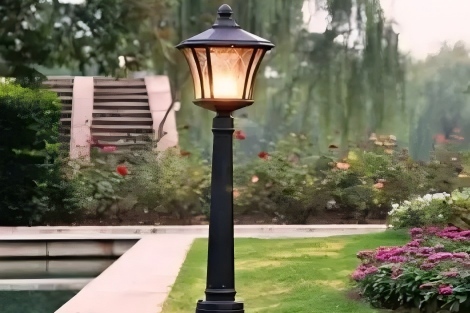
Ground entrance streets and parking areas use much shorter steel posts. Facility supervisors pick specific tower heights based on the total ground size and car traffic flow.
Why Are High Mast Poles Used in Airport Projects?
Tall light towers brighten huge open spaces while using fewer physical posts overall. Using fewer posts lowers crash risks for heavy ground tools working on active aprons.
Placing lights 20 to 50 meters high cuts down on shadows and removes dangerous glare. Careful light shields point every beam straight down, which protects open views for moving pilots and tower workers.
What Lighting Poles Are Suitable for Ports?
Ports need strong coated steel posts that hold large light panels against tough ocean winds. Tall port light towers use strong S355 metal to stay steady and hold up heavy loads.
Port gear must meet strong rust protection levels to withstand constant ocean salt exposure. Builders must use tough marine-grade metal bolts to keep structural joints from breaking in sea air.
How Do Steel Poles Handle Coastal Weather Conditions?
Hot zinc coating shields metal parts by making a very strong outer wall. This extra outer layer gives great protection, stopping rust even if small surface scratches happen.
Coated steel parts last 25 to 50 years under standard global weather testing rules. Painting over coated steel shields towers located right next to rough ocean spray areas.
What Height Are Airport and Port Lighting Poles?
Designers choose tower heights by looking at needed brightness, lot size, and flight safety rules. Airport car lot posts usually measure 20 to 25 feet tall.
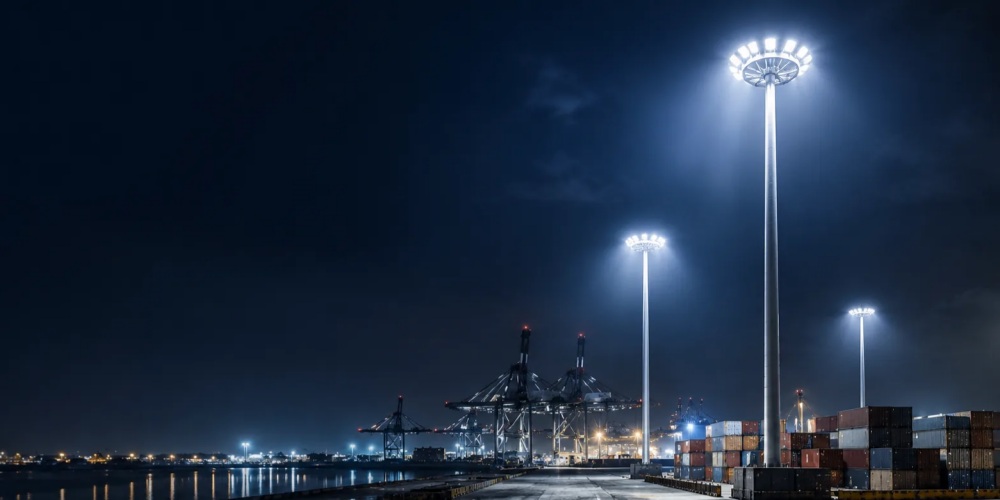
Big shipping yards and airfield aprons use huge light towers reaching 20 to 50 meters high. Taller posts spread bright light over huge work spaces while keeping total tower numbers low.
Busy travel centers must fully follow strict FAA and ICAO safety rules. Mixing smart metal design, strong bases, and AASHTO guidelines protects high-cost facility projects. Ocean-ready hot-dip galvanized steel poles fight off harsh coastal rust for many years. Also, automatic high-mast lowering tools remove the need for pricey bucket trucks during normal fixes. These joined features cut safety risks and lower overall long-term costs.
Site managers and project leaders must focus on wind-load checks and safety tests before buying gear. Reach out to the Morelux engineering group now to get custom technical designs and accurate wind force math for your upcoming project.