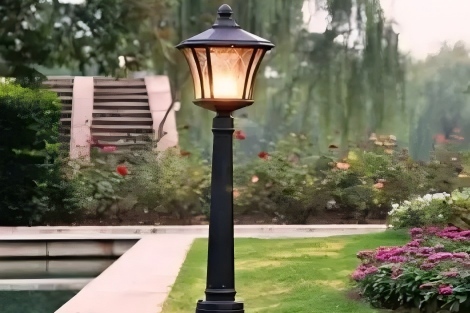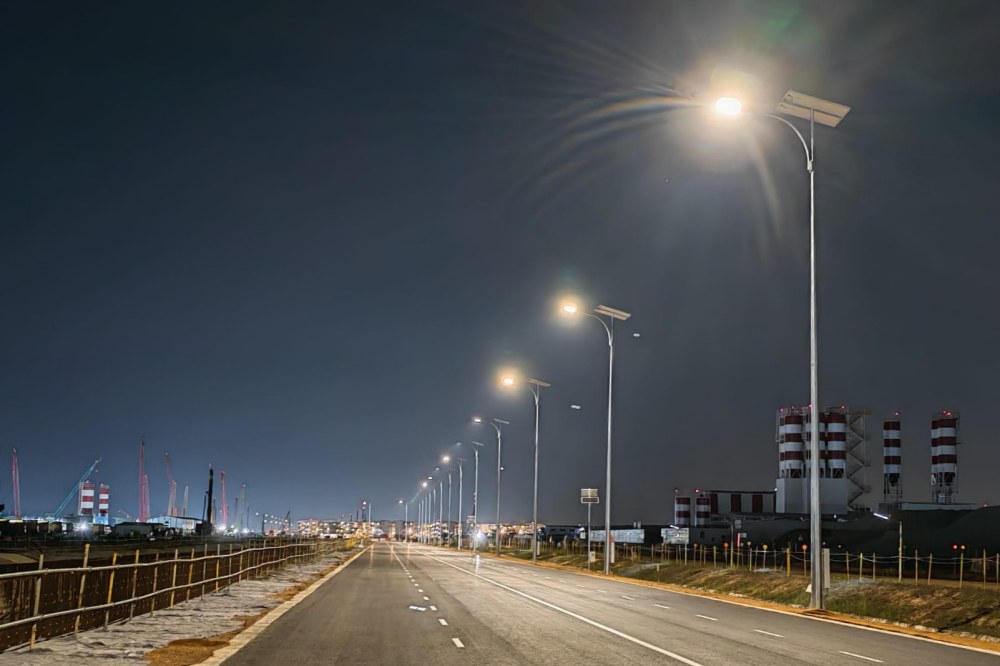
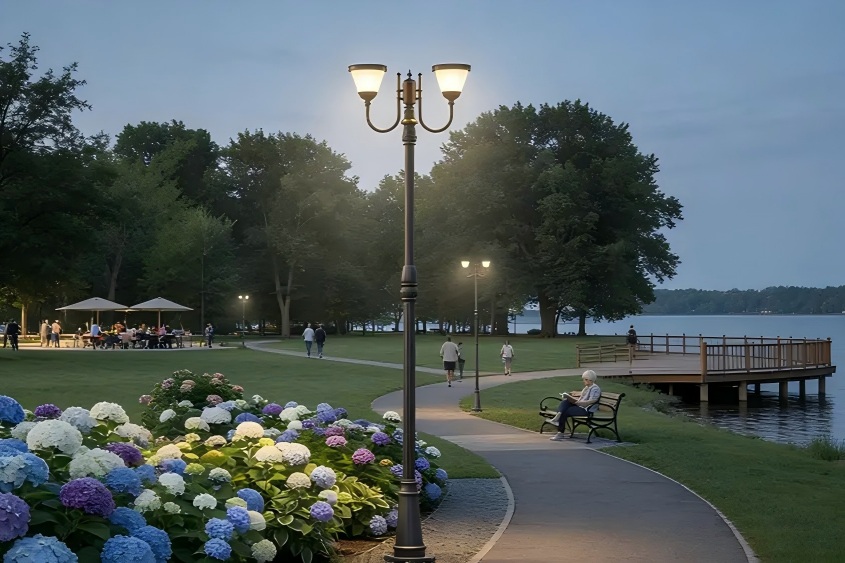

A decorative pole is 2 to 5 meters tall. It lines sidewalks, plazas, and courtyards at a walking pace. A commercial pole reaches 12 to 16 feet of working height. It handles parking lot, roadway, and industrial loads. Both use steel, wiring, and foundations, but they do opposite jobs: one creates a mood, the other provides coverage. So choosing a steel Light Pole starts with one question: which type fits this site, and what happens if the answer is wrong? Five practical factors guide that answer — project goals, surroundings, budget, installation conditions, and mistakes you can avoid. Property managers, specifiers, and contractors weigh them in different ways. Manufacturers like Morelux see the results on every quote.
Key Takeaways
- Decorative poles (2-5 meters) light paths and plazas; commercial poles (12-16 feet) light roads and parking lots.
- Pick the right pole type for your project goals, site conditions, and budget to prevent issues.
- Steel poles work well in places with strong winds; aluminum poles fight rust and last longer near the coast.
- To install them the right way, you need to check wind loads, soil conditions, and local building codes.
- Morelux provides custom steel poles for decorative and commercial projects, with expert help for each site.
What Are the Key Differences Between Decorative and Commercial Light Poles?

Decorative and commercial light poles serve different outdoor lighting needs. Decorative poles are commonly used for walkways, plazas, gardens, and courtyards, while commercial poles are designed for roads, parking lots, industrial sites, and other areas requiring wider lighting coverage.
Decorative poles generally focus on appearance, scale, and landscape integration. Features such as curved shafts, decorative bases, and customized arms can complement the surrounding architecture. Commercial poles prioritize structural strength, lighting coverage, equipment loads, and practical installation.
Wind load is important for both types. Pole height, fixture size, mounting configuration, and local wind speed all affect structural requirements. Coastal, exposed, or high-wind locations may require additional structural calculations. Morelux provides wind load and strength calculations for custom steel light poles based on project conditions.
Material and corrosion protection also affect pole performance. Steel poles offer high strength and stiffness for demanding lighting loads, while suitable galvanizing, powder coating, or duplex systems can improve outdoor corrosion protection. The appropriate material and finish should be selected according to the application and environment.
For projects using both decorative and commercial light poles, keeping finishes, colors, and design elements consistent can create a more coordinated appearance. Morelux supplies custom steel poles for different lighting applications, allowing pole designs and finishes to be matched across a project.
How Do Decorative and Commercial Light Pole Designs Differ?
Design is the biggest thing that sets these two pole families apart. Wind load is the push of moving air against a pole and its lights. Corrosion resistance is how well a material fights rust and chemical damage over time. Both of these shape every design choice.
Decorative Poles Emphasize Appearance, Style and Architectural Character
Decorative poles match the buildings around them. A traditional home needs fixtures that show good proportion and quality material. A home with cleaner lines looks better with lighting that mirrors simple geometry. Scale really matters. A wall light should line up with the door, not float above it or crowd beside it. When the scale is off, the entry feels disconnected. When it is right, the fixture looks like it was always there.
Even spacing, the right mounting heights, and lining up with structural features make work look planned and complete. The shapes should fit the architecture. What works on a 1920s Colonial does not belong on a modern farmhouse. A decorative Light Pole should serve the place instead of taking it over.
Commercial Poles Prioritize Lighting Performance and Structural Function
Commercial poles go after performance targets. The FHWA Lighting Handbook says adaptive lighting technology should be reviewed following IESNA RP-8 recommendations. This standard guides roadway lighting design rules. Pole height, type, and luminaire wattage depend on land use, road width, pole spacing, and lighting uniformity.
| Pole Height | Recommended LED Wattage | Lumens Output | Best For |
|---|---|---|---|
| 10–13 ft | 100–150W | 8,000–12,000 lm | Residential streets, small parking lots |
| 14–18 ft | 150–250W | 12,000–18,000 lm | Standard parking lots, commercial areas |
| 17–24 ft | 300–400W | 18,000–28,000 lm | Large parking lots, street intersections |
Safety features matter too. Breakaway pole base designs should follow the AASHTO Roadside Design Guide. A stub height of 4 inches or less cuts down vehicle snagging. Breakaway supports should include electrical disconnects.
Morelux offers galvanized steel poles with hot-dip galvanizing, powder coated steel poles, painted finishes, and duplex coating systems for different durability requirements. Products comply with AASHTO LRFD, BS EN 40, AS/NZS, and MS specifications as selection benchmarks.
How Do Applications Differ for Decorative and Commercial Light Poles?
Decorative and commercial poles work in different places. The type of place decides which pole to pick. Decorative poles go on streets, in parks, on walkways, and in public areas. Commercial poles go on roads, in parking lots, and in big outdoor spaces.
Decorative Poles for Streets, Parks, Walkways and Public Spaces
Decorative poles are used where people walk and meet. In Newton, North Carolina, a project used decorative lights and poles to improve the streets. The project added wider sidewalks made of pavers, street trees, benches, and trash cans. After the changes, people started to visit, shop, and eat there. They felt more pride in their town. This shows how decorative poles help people enjoy public spaces and feel connected.
Towns often pay for these projects with grant money. Grants like Community Development Block Grants and Energy Efficiency and Conservation Block Grant programs help. State programs like California’s Clean California Grant Program also help pay costs. A custom Light Pole supplier like Morelux can make poles that fit these project goals.
Commercial Poles for Roads, Parking Areas and Large Outdoor Sites
Commercial poles focus on covering large areas and lasting a long time. Normal commercial poles cost less to buy than decorative ones. But the cost over the whole life of the pole is different. Steel poles may need rust checks and new paint from time to time. Aluminum poles need very little work. One coastal park project chose aluminum poles with special powder coatings and marine-grade fixtures to handle salt spray and humidity.
| Metric | Steel Pole | Aluminum Pole |
|---|---|---|
| 10-Year Maintenance Cost | Over $300 | Less than $100 |
| Estimated Service Life | 20–30 years | More than twice as long as steel |
| Key Maintenance Needs | Rust inspection, recoating | Minimal intervention |
Morelux provides custom steel pole solutions that balance cost and durability based on project needs. A supplier that has both decorative and commercial options helps designers pick the right material for the location and upkeep needs.
How Do Materials and Finishes Affect Light Pole Performance?
Material selection and surface finishing directly affect the strength, corrosion resistance, maintenance needs, and appearance of outdoor light poles. The right combination should match the pole’s structural loads, installation environment, and project design requirements.
Steel Construction Provides Strength for Outdoor Lighting Applications
Steel light poles provide high strength and stiffness for applications with heavy luminaires, multiple fixtures, or greater wind loads. Pole diameter, wall thickness, steel grade, and base design can be configured according to structural calculations rather than using one standard specification for every project.
For commercial and infrastructure lighting, steel also provides flexibility for different pole heights, arm configurations, and mounting requirements. Morelux supplies custom steel light poles designed around project-specific equipment and structural requirements.
Protective Finishes Help Poles Resist Outdoor Corrosion and Wear
Outdoor steel poles require suitable corrosion protection to maintain their surface and structural performance. Hot-dip galvanizing creates a zinc coating that helps protect steel from moisture and environmental exposure, while powder coating can provide an additional protective and aesthetic layer.
The appropriate finish depends on factors such as humidity, salt exposure, industrial pollution, and the expected service environment. Morelux offers hot-dip galvanizing, powder coating, and duplex protection options to meet different outdoor project requirements.
Decorative Finishes Support Visual Requirements Without Sacrificing Durability
Light pole finishes can be selected to complement buildings, landscapes, streetscapes, and other surrounding elements. Powder coating provides options for colors and surface appearance while maintaining a protective layer over the steel.
For decorative and commercial light poles, the finish should support both visual consistency and outdoor durability. Morelux can customize steel pole finishes and surface treatments to coordinate with project specifications and application conditions.
How Do Structural and Installation Requirements Differ Between Poles?

Foundation Requirements Depend on Pole Height, Loads and Site Conditions
Foundation design should match the pole’s height, base reactions, equipment loads, and local ground conditions. Soil bearing capacity, groundwater, frost conditions, and local construction requirements can affect foundation dimensions and anchor bolt arrangements.
The foundation should also be coordinated with the pole base plate and anchor bolt layout before construction. Morelux can provide structural and foundation-related design information to help contractors coordinate the pole with site conditions and approved installation drawings.
Wind Loads and Fixture Loads Affect Structural Pole Design
Wind calculations should consider pole height, fixture weight, projected area, mounting arms, and other attachments. Larger fixtures and additional equipment create greater wind forces, which can increase the required pole strength, wall thickness, and base connection capacity.
Commercial light poles carrying multiple luminaires may therefore require different structural specifications from decorative poles with lighter fixtures. Morelux provides wind load and structural calculations for custom steel poles based on project requirements.
Installation Planning Varies With Pole Size and Lighting Equipment
Installation methods depend on pole dimensions, weight, section configuration, and the lighting equipment being mounted. Smaller decorative poles may require simpler handling, while taller commercial poles often need cranes, lifting plans, larger crews, and controlled rigging procedures.
Before installation, contractors should confirm foundation readiness, anchor bolt alignment, lifting access, fixture mounting arrangements, and electrical connections. Proper planning helps reduce installation delays and ensures the light pole is erected according to the approved design.
How Do Costs Differ Between Decorative and Commercial Light Poles?
The cost of a light pole depends on its design, material, dimensions, structural requirements, finish, and project quantity. Decorative poles often include more aesthetic customization, while commercial poles are mainly priced around structural performance and lighting loads.
Decorative Pole Costs Reflect Design, Finishes and Custom Features
Decorative light pole costs can increase with customized bases, curved arms, ornamental details, colors, and surface finishes. These features require additional design and fabrication compared with standard pole configurations.
For projects requiring a consistent streetscape appearance, buyers should also consider whether multiple poles need matching designs and finishes. Morelux provides custom steel pole configurations to coordinate decorative features with project requirements.
Commercial Pole Costs Depend on Structure, Height and Load Requirements
Commercial light pole costs are strongly affected by pole height, steel dimensions, fixture loads, wind requirements, and foundation design. Taller poles or poles carrying multiple fixtures may require larger sections, thicker walls, stronger connections, and more substantial foundations.
Rather than comparing unit prices alone, buyers should confirm that each quotation is based on the same height, loads, wind conditions, material specifications, and finish requirements. This creates a more meaningful cost comparison between suppliers.
Total Project Costs Include Installation, Maintenance and Accessories
The initial pole price is only one part of the total project cost. Installation equipment, foundations, anchor bolts, lighting arms, fixtures, electrical connections, transportation, and surface protection can all affect the final budget.
Maintenance requirements should also be considered over the project’s service life. A suitable corrosion protection system and properly specified structure can help reduce future repair and replacement requirements. Comparing the complete project scope provides a clearer view of the overall cost of decorative and commercial light poles.
Our Steel Light Pole Solutions for Decorative and Commercial Projects
Morelux provides custom steel light poles for decorative, commercial, and infrastructure applications. Pole dimensions, mounting configurations, structural specifications, and surface treatments can be adapted to project requirements, helping different areas maintain suitable performance and appearance.
Custom Steel Poles Designed for Different Heights and Applications
Morelux designs steel light poles for different heights, lighting equipment, site conditions, and installation requirements. Pole diameter, wall thickness, base plate, arm configuration, and mounting points can be adjusted according to structural calculations.
The engineering team can provide design drawings and wind load calculations based on fixture loads and local conditions. This allows contractors and project designers to coordinate the pole with the lighting system and foundation before manufacturing.
Decorative Steel Pole Designs With Project-Specific Finishes and Details
Decorative steel poles can be customized with different shaft profiles, arms, bases, colors, and surface finishes to suit architectural and landscape requirements. Morelux can coordinate these details across a project to create a consistent streetscape or public-space appearance.
Hot-dip galvanizing, powder coating, paint, and duplex protection are available according to project specifications and environmental conditions. This allows decorative light pole designs to combine visual customization with suitable outdoor corrosion protection.
Engineered Commercial Steel Poles for Lighting and Infrastructure Projects
Commercial steel light poles are designed around practical requirements such as fixture loads, wind exposure, lighting coverage, and structural stability. Morelux can configure poles for roads, parking areas, industrial facilities, highways, and other infrastructure applications.
Each project can be developed around its required height, steel specifications, mounting arrangement, and foundation connection. This approach helps ensure the commercial light pole is matched to the equipment and site conditions rather than selected from a one-size-fits-all configuration.
FAQs About Decorative and Commercial Light Pole Differences
What Is the Main Difference Between Decorative and Commercial Light Poles?
The main difference is their design priority. Decorative light poles emphasize appearance and integration with surrounding architecture or landscaping, while commercial light poles focus more on lighting coverage, equipment loads, wind resistance, and structural requirements.
Are Decorative Light Poles Suitable for Commercial Outdoor Projects?
Yes. Decorative light poles can be used for commercial projects such as hotels, shopping areas, campuses, plazas, and landscaped developments when their height, lighting output, structural loads, and wind requirements meet the project specifications.
Are Commercial Light Poles More Durable Than Decorative Light Poles?
Durability depends more on material, structural design, corrosion protection, and site conditions than on whether a pole is decorative or commercial. A properly engineered decorative steel light pole can provide suitable outdoor performance when its loads and environmental requirements are correctly addressed.
What Materials Are Commonly Used for Decorative Light Poles?
Steel and aluminum are commonly used for decorative light poles. Steel provides high strength and supports customized shapes and structural configurations, while aluminum offers a lightweight option for suitable applications. Material selection should consider loads, height, corrosion exposure, and design requirements.
How Should Pole Height Be Selected for Different Lighting Projects?
Light pole height should be selected according to the area being illuminated, road or walkway width, fixture output, beam distribution, pole spacing, and required lighting levels. Shorter poles may suit pedestrian areas and landscaped spaces, while taller commercial poles can provide wider coverage for roads and parking areas.