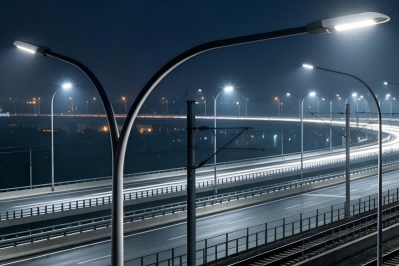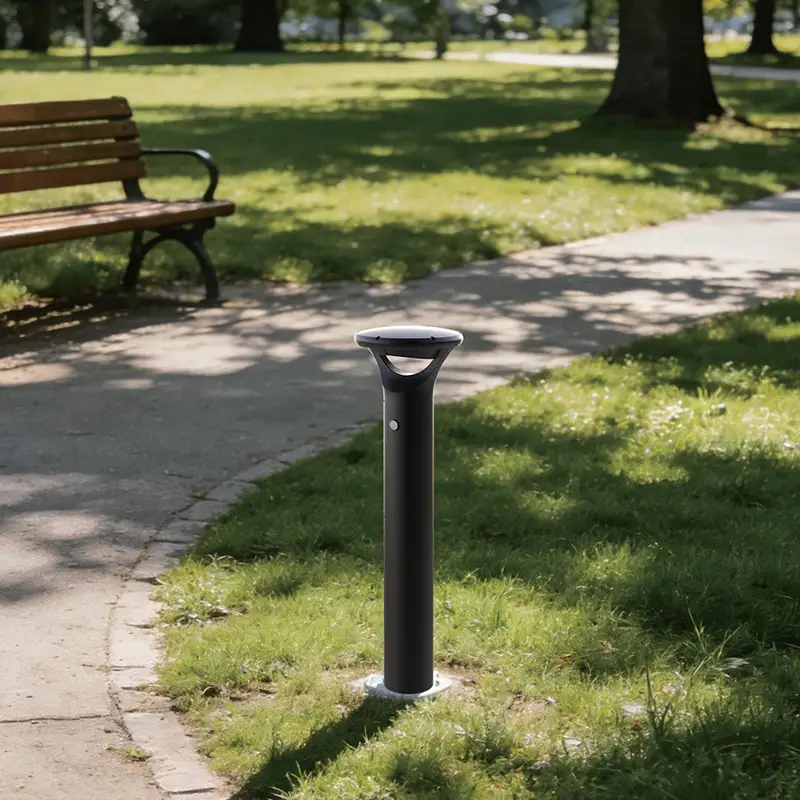


A complete high mast lighting system usually costs between $15,000 and $40,000. This price covers a 100-ft pole, eight LED fixtures, a winch, and the foundation. This High Mast Lighting Pole Price Guide breaks down the numbers so buyers can budget with confidence. Pole height changes the amount of material and the thickness of the steel. Configuration choices, like fixed versus raising-lowering systems, change equipment costs. Installation adds foundation work, conduit, wiring, and labor. LED fixture count and wattage also change the total. Morelux supplies custom steel poles for these projects. Accurate quotes need complete project details.
Key Takeaways
- Pole height sets the cost: taller poles need more steel and stronger foundations, so prices rise a lot.
- How you set it up matters: fixed poles cost less at the start, but raise-and-lower systems save on upkeep.
- Putting up the pole adds 40-60% to the total cost: the base, the wiring, and the work crew are the big expenses.
- Wind and soil conditions affect the price: strong winds and weak soil need stronger, more costly structures.
- Share all project details to get accurate quotes: give the height, wind speed, soil data, and fixture specs for fair pricing.
How Does High Mast Pole Height Affect the Total Project Price?
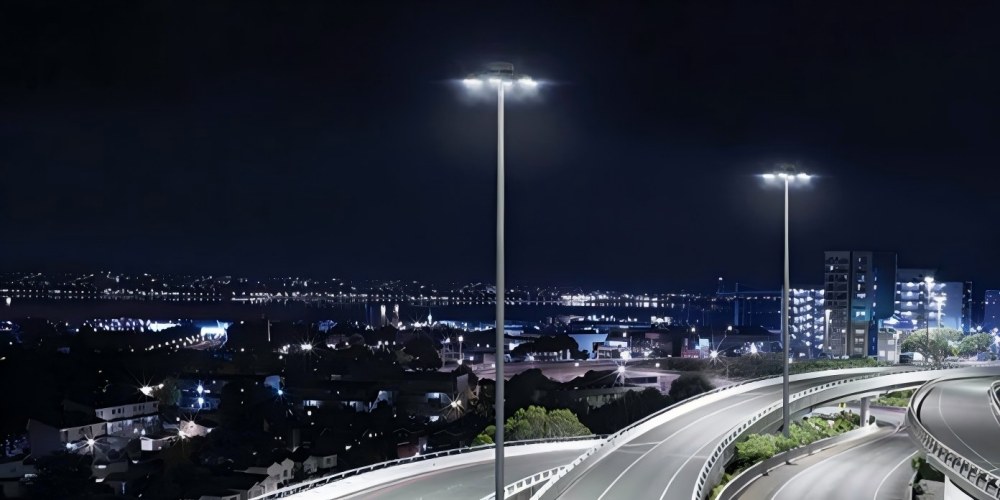
A complete high mast lighting system usually costs between $15,000 and $40,000. This price covers the pole, foundation, luminaire ring, and LED fixtures. Height is the biggest reason for the cost. Taller poles need more steel, thicker walls, and heavier foundations. Every extra meter adds more material and makes the engineering harder. When buyers understand this link, they can plan their budget better and compare quotes from different suppliers.
Equipment-only pricing covers the pole, luminaires, and raising-lowering system. Installed cost adds foundation, conduit, wiring, labor, and commissioning. The gap between these two numbers can be substantial. A buyer who asks for only equipment pricing may not expect the full cost. High mast lighting for interchanges often costs less to install than conventional lighting. The simpler conduit and conductor runs lower labor and material costs. This benefit makes high mast systems a good choice for highway projects with few access points.
How Pole Heights from 20 to 45 Meters Affect Material Costs
Pole height directly sets how much steel is needed. A shorter pole uses less steel than a taller pole. The wall thickness also grows with height to keep the pole strong. A shorter pole uses thinner walls, while a taller pole needs thicker walls. The base plate gets bigger and heavier as height goes up. Foundation needs follow the same pattern. A taller pole needs a deeper, wider concrete base to resist overturning forces. These factors add up. A taller pole costs substantially more than a shorter pole in material alone. Pole height options include 15m, 16m, 20m, 25m, and 30m. Each height works for different uses. Ports may use poles as tall as 40m, while smaller inland sites may use 12m poles.
How Wind Load Requirements Affect High Mast Pole Costs
Wind load is a key cost factor. Higher wind speed needs thicker steel, larger base plates, and heavier foundations. A pole built for a lower design wind speed needs less material than one built for a higher design wind speed. Coastal areas and open land face higher wind loads. Engineers work out the projected area of the pole and luminaire ring. Then they find the bending moment at the base. This math shapes the steel design. A pole in a high-wind zone may need 20 to 30 percent deeper footings than the same height in a moderate-wind zone. Morelux offers engineering and structural calculation support to meet each project’s wind-load needs. This service helps buyers avoid over-engineering and extra costs.
How Fixed and Raising-Lowering Systems Differ in Cost
Fixed high mast lighting poles cost less than lifting-system poles. A fixed system has no winch, cables, or luminaire ring. Upkeep needs a bucket truck or a climbing crew. A raising-lowering system has a winch, cables, and a luminaire ring. This setup allows upkeep from the ground. The extra parts raise equipment cost. Buyers must compare the higher upfront cost with long-term upkeep savings. Projects with limited access to aerial equipment often make the raising-lowering investment worth it.
How Luminaires and Electrical Components Affect Total Costs
A single high mast LED luminaire costs from $1,446.38 to $1,672.38. Power rating and lumen output set this range. Higher wattage and higher lumen output raise fixture cost. But fewer fixtures may be needed to reach the same light level. Optical distribution choices also change the price. Different optical distributions serve different coverage patterns. Custom optics cost more than standard options. A project with fewer high-wattage LED fixtures may cost less than one with more lower-wattage fixtures. The total fixture count, wattage, and optics set the final lighting equipment budget.
How Does High Mast Lighting Configuration Affect System Costs?
The setup you choose shapes the final price of a high mast lighting system. The pole is just one piece of the budget. Buyers also need to plan for the luminaire ring, fixtures, and electrical parts. Every choice changes the structural load and the hardware that supports it. A good setup balances performance with cost.
Pole-only prices for heights between 15 and 30 meters usually run from $1,500 to $3,500. This range depends on the material and specs. Pole height options include 15m, 16m, 20m, 25m, and 30m. Each height gives you different coverage and structural needs. Ports may use poles as tall as 40m, while smaller inland sites may use 12m poles.
Taller poles need more steel, thicker walls, larger base plates, and heavier foundations. All of these things raise the cost. A 40m port pole needs a substantially larger foundation than a 12m inland pole. The base plate gets bigger and heavier. The wall thickness also grows to handle bending forces. Buyers should expect material costs to jump sharply as height goes up.
How Fixed and Raising-Lowering Systems Differ in Cost
Fixed high mast poles cost less than lifting-system poles. A fixed system has no winch, cables, or luminaire ring. Upkeep needs a bucket truck or a climbing crew. A raising-lowering system comes with a winch, cables, and a luminaire ring. This setup lets workers service it from the ground. The extra parts raise equipment cost. Buyers must weigh the higher upfront price against long-term upkeep savings. Projects with limited access to aerial equipment often find the raising-lowering investment worth it.
How Luminaires and Electrical Components Affect Total Costs
Luminaire ring position changes wind loading when fixtures are added, resized, tilted, or shielded. This affects the structural design and cost of the pole, ring, crossarm, anchor bolts, and foundation. Mounting more fixtures adds weight and effective projected area (EPA). This raises structural loads and the cost of supporting parts.
High mast LED luminaires range from $1,446.38 to $1,672.38. This range covers 450W to 750W models with roughly 69,750 to 112,500 lumens. Higher wattage and higher lumen output raise fixture cost. But you may need fewer fixtures to reach the same light level. Optical distribution choices also affect price. Different optical distributions serve different coverage patterns. Custom optics cost more than standard options.
Fixture quantity and wattage must be checked in a photometric model. The final design must balance performance, connected load, pole and foundation costs, installation, upkeep, and future operating costs. Cutting luminaire count alone does not guarantee the best total system price. This High Mast Lighting Pole Price Guide shows that configuration choices drive both upfront and long-term costs.
What Installation and Foundation Costs Should Buyers Consider?
One high mast LED luminaire costs from $1,446.38 to $1,672.38. The power rating and other specs decide the price. More wattage and more lumens make a fixture cost more. But these upgrades may mean you need fewer fixtures. The way light is spread also changes price and performance. Different optical distributions cover different areas. Custom optics cost more than standard ones. These fixture choices shape the electrical budget. They also change the structural load on the pole and foundation.
How Soil Conditions and Foundation Design Affect Installation Costs
Soil conditions can change foundation costs more than any other site factor. Weak or wet soil needs a bigger foundation to hold the pole steady. A geotechnical survey is the first step. This test checks how much weight the soil can hold. Sandy or wet soil needs a wider foundation. This keeps the pole from leaning under its own weight.
For poles over 40 feet, the strength of the structure depends fully on the quality of the backfill and the base plate connection. The process starts with a geotechnical survey to find the soil load-bearing capacity. If the soil is sandy or holds a lot of moisture, a much larger diameter foundation is needed to stop the pole from leaning under the torque of its own weight.
A 70-foot steel pole in a 110 mph wind zone with four 500W fixtures needs a foundation depth of 10-12 feet. The reinforced concrete pier is usually 3-4 feet in diameter. High wind zones and poor soil may need 20-30% deeper footings. Skipping the soil bearing capacity test is a common cause of foundation failure. This leads to costly rework. Buyers should plan for a soil test before finalizing any High Mast Lighting Pole Price Guide estimate.
How Transportation and On-Site Assembly Affect Project Budgets
Tall poles are heavy and hard to move. A very tall pole may need special trucks and permits. Shipping costs go up with distance and pole length. On-site assembly adds labor and equipment costs. A crane may be needed to lift the pole into place. Crews must bolt the base plate, connect wiring, and test the raising-lowering system. These steps take time and skilled labor. Buyers should ask suppliers about delivery terms and site access needs. A clear plan avoids surprise charges during installation.
How Do Galvanizing and Custom Pole Features Affect Pricing?
Material choice matters just as much as height when buyers use a High Mast Lighting Pole Price Guide. Most high mast poles are made of hot-dip galvanized steel or aluminum. A galvanized steel pole usually costs $1,000 to $2,000. An aluminum pole costs $2,000 to $4,000. Standard steel light poles range from $200 to $3,000, while aluminum poles range from $250 to $5,000. High mast poles use far more material because they are tall. Aluminum weighs less and resists corrosion better, so coastal projects often pick it.
How Hot-Dip Galvanizing Affects Steel Pole Costs and Durability
Galvanizing affects both price and how long a pole lasts. Hot-dip galvanizing per ISO 1461 puts a zinc coating of at least 70 µm on steel. In harsh settings, coatings can be as thick as 200 µm. A heavy coating keeps a pole rust-free for up to 50 years in suburbs. It lasts about 20 years near coasts or in urban salt spray. Electro-galvanizing, with a 5 to 15 µm layer, needs care within 6 to 18 months. For ports or highways, the thicker coating is worth its cost.
Coating thickness goes hand in hand with steel thickness. ASTM A123 calls for 610 g/m² of zinc on steel from 3.18 to 4.76 mm thick. Steel at 6.35 mm or more can hold 702 g/m² of zinc. This is why tall poles in coastal zones have thicker walls. Many national standards require zinc above 85 µm with adhesion per GB/T 2694-98. That mix protects structures for over 20 years. Wind load needs push the same trend. Stronger winds demand thicker steel, larger base plates, and heavier foundations. The extra material costs more but stops overturning.
How Custom Pole Designs and Mounting Details Affect Pricing
Custom details change the final price even if height does not change. Custom shapes and profiles need different tooling in production. Custom mounting brackets and drilled base plates take up engineering time. A fixed ladder or maintenance platform adds cost. A raising-lowering system adds winches, cables, and a luminaire ring to the budget. Every attachment point affects the structure’s design.
Wind load is a big part of custom pricing. The effective projected area of fixtures, rings, and brackets sets how much bending force the pole feels. Morelux offers engineering and structural calculation help for exact wind-load needs. Customers can send wind speed, pole height, and fixture layout to get an accurate quote. Full project details bring fair prices and fewer surprise costs.
How to Request an Accurate High Mast Lighting Pole Quote
A complete request package speeds up pricing and cuts down on back-and-forth. Suppliers need technical data, site conditions, and commercial terms. Buyers who give full details get accurate numbers on the first try. This High Mast Lighting Pole Price Guide section covers the inputs that matter most.
Which Pole Height, Wind Load, and Fixture Details Should Buyers Provide?
Start with the pole itself. State the steel material, such as Q235 or Q355. Give the height, shape, top and bottom diameters, plate thickness, and section count. Include flange size, anchor specifications, and surface treatment. For fixtures, list the number of lamps, single-lamp power, color temperature, and IP rating. Describe the bracket type and layout.
Wind load and seismic data shape the structural design. Provide the design wind speed and seismic zone for the project location. High mast poles can be engineered for the project’s seismic zone. Galvanizing and coating standards such as ISO 1461 and ASTM A123 may apply. Buyers should also note the maintenance system. Fixed poles cost less than lifting-system poles with winches, cables, and luminaire rings. A safety ladder or platform changes the price too.
How Site Drawings and Foundation Details Improve Quote Accuracy
Site information prevents foundation surprises. Share the project location, soil type, and any geotechnical report. Weak soils can require larger footings, deeper embedment, or other support such as piles. A soil note or assumption helps the supplier suggest a practical foundation direction.
Include site layout, functional zones, and target lighting requirements. Mounting restrictions and available space affect pole placement. Existing drawings or a bill of quantities (BOQ) give the supplier a clear starting point. Quantity and delivery schedule complete the picture.
High mast poles often include galvanized steel construction and raising and lowering systems. Solar high mast configurations carry higher upfront costs for panels, batteries, and controllers. They reduce trenching and wiring expenses over time. Morelux provides engineering support to review these inputs and recommend the right configuration.
Our High Mast Lighting Pole Manufacturing and Customization
Morelux makes high mast lighting poles for a range of buyers. Every custom quote begins with clear site details and technical specs. These inputs turn a rough budget into an accurate bid. Buyers should share the following details with the supplier:
- Project site details: location, wind speed, seismic zone, soil conditions, and available space.
- Technical specifications: pole height, material, finish, LED wattage, fixture quantity, optics, and control system.
Together, these inputs shape every cost line in the High Mast Lighting Pole Price Guide. Morelux engineers use this data to figure out structural loads and confirm the foundation design. This process removes guesswork and stops surprise costs.
How MORELUX Supports Custom High Mast Pole Specifications
Morelux builds each high mast pole to order. The factory makes custom steel structures in a range of shapes. Buyers can ask for custom designs. Surface treatment options are available. High mast light poles range from 15 to 50 meters in height. Structural engineering review is available.
Structural review confirms the design meets the required standards. Wind speed is a big part of that design. Morelux engineers use the design wind speed and seismic zone for the site. They also review soil conditions. This data sets the required wall thickness, base plate size, and anchor bolt layout. The company provides engineering and structural calculation support. This support helps buyers meet local codes without overbuilding.
How Engineering and Quality Control Support Project Requirements
Quality control starts inside the Morelux factory. The in-house production line handles fabrication, coating, and inspection. Because all steps happen in one facility, quality can be checked before shipping. This lowers the risk of field failures.
Morelux serves clients across different markets. Products are designed to meet standards such as ISO 1461 and ASTM A123. This international experience matters for projects that need third-party approvals. A wholesale buyer can count on Morelux as a dedicated high mast lighting pole supplier. This supplier manages fabrication, coating, and inspection under one roof.
Pole height, setup type, LED and fixture choices, material and wind load, and installation scope all shape every high mast project budget. A shorter fixed pole with standard optics costs much less than a taller raising-lowering system built for high winds. This High Mast Lighting Pole Price Guide shows why no single number works for every site. Accurate pricing depends on complete project information. Buyers who share wind speed, soil data, and fixture details get fair quotes they can compare side by side. Morelux serves clients across different markets. Send your project details to request a personalized quote today.
Frequently Asked Questions About High Mast Lighting Pole Prices
What Factors Have the Biggest Impact on High Mast Pole Prices?
High mast lighting pole prices depend on pole height, steel grade, wall thickness, wind load requirements, surface treatment, and lighting configuration. Customized designs and lifting systems also affect the final cost.
Does a Taller High Mast Lighting Pole Always Cost More?
Generally, taller high mast poles require more steel and stronger structural designs, increasing manufacturing costs. However, the final price also depends on fixture loads, wind conditions, and project specifications.
Are Raising-Lowering High Mast Poles More Expensive to Install?
Raising-and-lowering high mast poles may have higher initial costs because of their hoisting mechanisms, motors, and control systems. However, they can simplify luminaire maintenance by bringing fixtures down to ground level.
Are Foundation and Installation Costs Included in Pole Quotes?
Not always. A pole quotation may cover manufacturing only, while foundation construction, anchor bolts, transportation, crane hire, and installation may be quoted separately. Buyers should confirm the scope before comparing prices.
What Information Is Needed for a High Mast Pole Price Quote?
Provide the required pole height, steel specifications, wind speed, number and weight of luminaires, lifting system type, surface finish, and project location. Foundation and installation requirements also help MORELUX prepare a more accurate quotation.