Shorter light poles, usually 8 to 15 feet tall, shine light exactly where people walk and park. This targeted steel light improves pedestrian safety by reducing glare. Lower heights also cut installation and energy costs, and they make routine maintenance easier. The best height depends on the size of the space. A reliable lighting pole manufacturer makes sure the poles perform well for a long time. An even spread of light is just as important as the pole’s height. Durability advantages round out the reasons for choosing short poles. These factors explain why compact poles often work better than taller ones in small outdoor spaces.
Key Takeaways
- Shorter light poles aim light right where people walk and park. This makes the area safer and cuts down on harsh glare.
- Lower poles reduce installation and energy costs because they require less material and use lower-wattage fixtures.
- Shorter poles make upkeep easier and safer, since workers can use a small ladder instead of heavy machines.
- Picking the right height—8 to 15 feet for walkways and 12 to 15 feet for small parking lots—gives even light and saves money.
- Shorter poles cut down on light pollution and skyglow, which keeps neighbors happy and follows local rules.
What Makes Shorter Light Poles Suitable for Small Outdoor Areas?
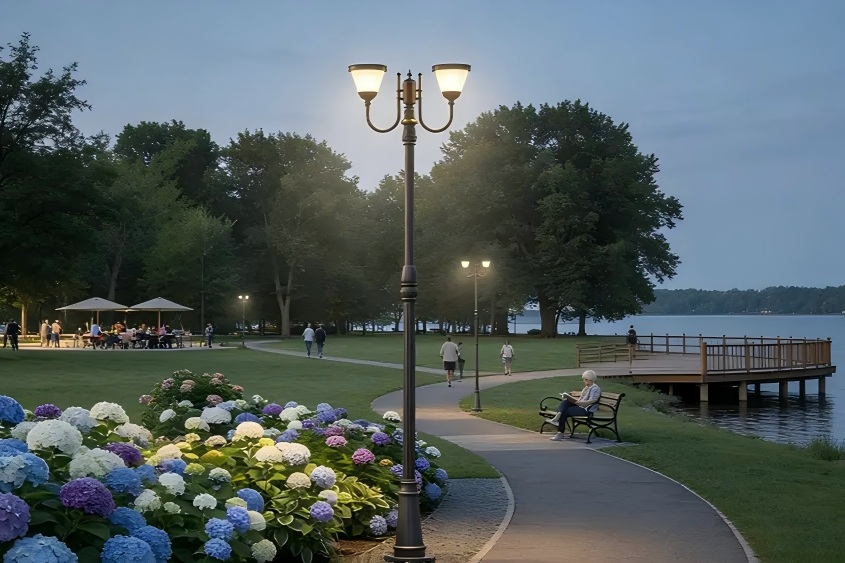
Small outdoor areas have different lighting needs than highways or large commercial lots. A short pole puts light exactly where people need it. This design choice improves safety, cuts waste, and saves money.
How Shorter Light Poles Provide More Targeted and Controlled Lighting
A shorter pole keeps the light beam close to the ground. The fixture aims downward at a steep angle. This geometry concentrates illumination on the walkway or parking surface. Pedestrians see clear paths. Drivers spot empty spaces and obstacles with ease.
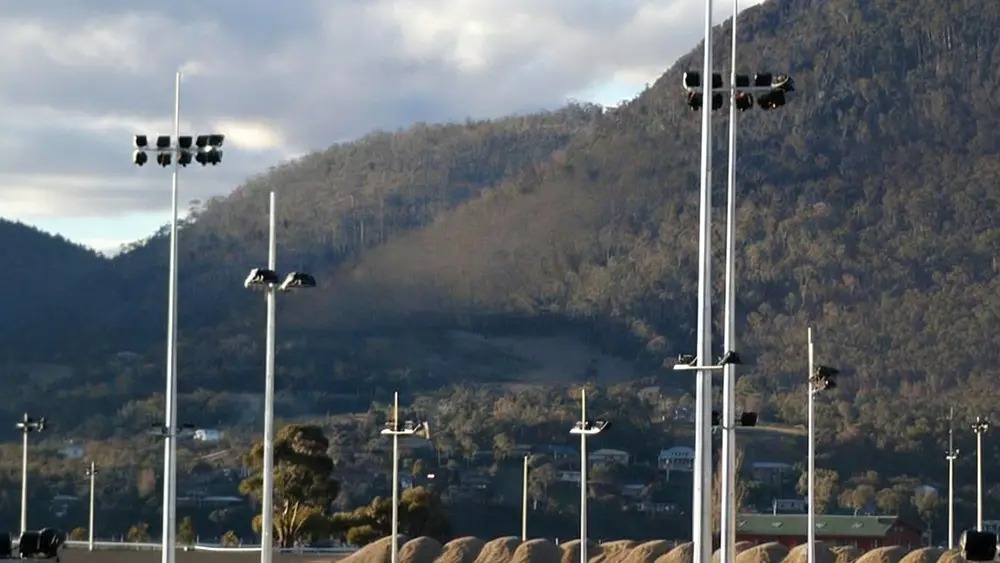
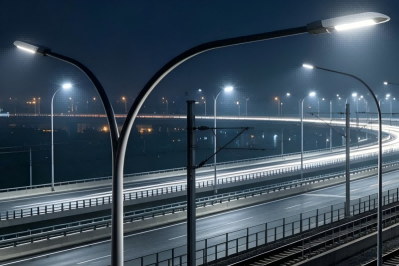
Taller poles spread light over a wide area. Much of that light lands on rooftops, tree canopies, or empty ground. This wasted light becomes light trespass and skyglow. A shorter lighting pole avoids these problems. The beam stays inside the property boundary. Neighbors keep their dark skies. The site owner meets local light pollution rules without extra shields or baffles.
Cost savings follow naturally. A short pole costs less to buy and ship. Its foundation needs less concrete and fewer materials. Installation crews use smaller equipment. A pickup truck and a small auger often replace a crane. Labor hours drop. Energy bills fall too. Fewer lumens reach the target area, so a lower-wattage fixture does the job. A 50-watt LED on a 10-foot pole may light a walkway as well as a 150-watt fixture on a 25-foot pole. The exact savings depend on site conditions and local energy rates.
Why Lower Pole Heights Better Match Pedestrian-Scale Outdoor Spaces
People walk, cycle, and park at ground level. Their eyes sit roughly 5 to 6 feet above the pavement. A light source mounted 8 to 15 feet high stays within a comfortable viewing angle. The light feels natural. It does not overpower the scene.
Tall poles create glare. The source sits far above the viewer’s line of sight. The eye adapts to the bright source. Shadows then appear darker by contrast. This effect reduces actual visibility. A lower pole keeps the source closer to the task. The eye handles the scene better. Facial recognition improves. Security cameras capture clearer images.
Pedestrian-scale spaces also have slower traffic. Vehicles move at 5 to 15 miles per hour in small lots. Drivers have time to react. They do not need long-distance visibility. A short pole provides the right amount of light for these speeds. It also fits the architectural character of a courtyard, a park path, or a boutique parking area. Tall highway poles look out of place in these settings.
Spacing matters as much as height. Poles placed too far apart leave dark gaps. A common rule sets spacing at 3 to 4 times the mounting height. A 10-foot pole then stands every 30 to 40 feet. This spacing creates even light without overlap. The result is a safe, comfortable, and efficient outdoor space.
What Light Pole Heights Work Best for Walkways and Small Parking Areas?
Selecting the correct pole height determines how well the light covers the ground. Different outdoor areas need different heights to achieve even, comfortable illumination.
Typical Short Light Pole Heights for Different Small Outdoor Areas
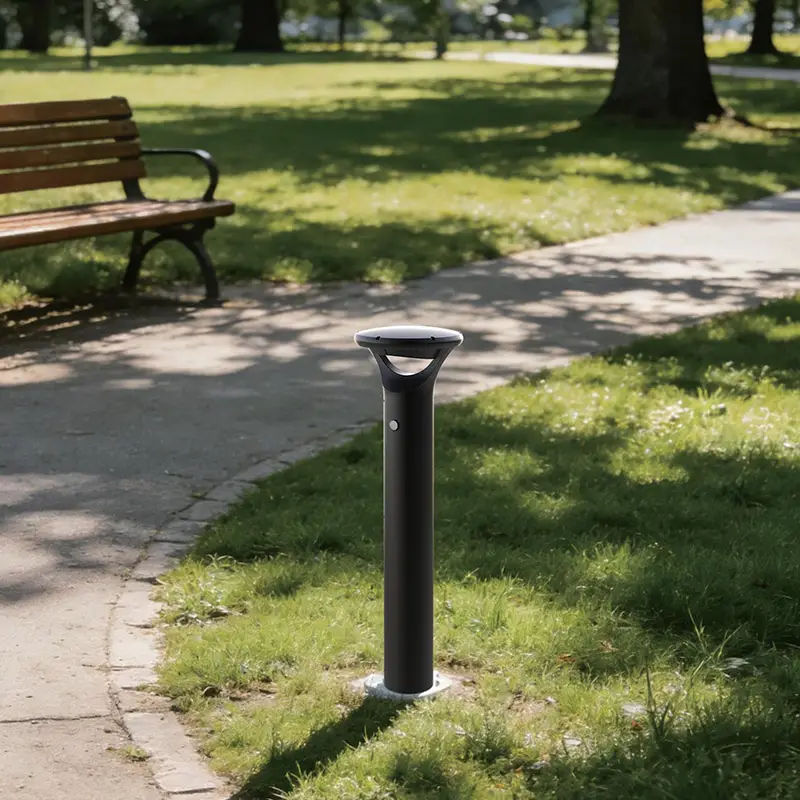
Walkways perform best with poles between 8 and 12 feet tall. A 10-foot pole works well for residential paths and park trails. The beam stays narrow enough to light the path without spilling into yards or windows. Pedestrians see the surface ahead clearly. This height also matches common eye levels, reducing glare.
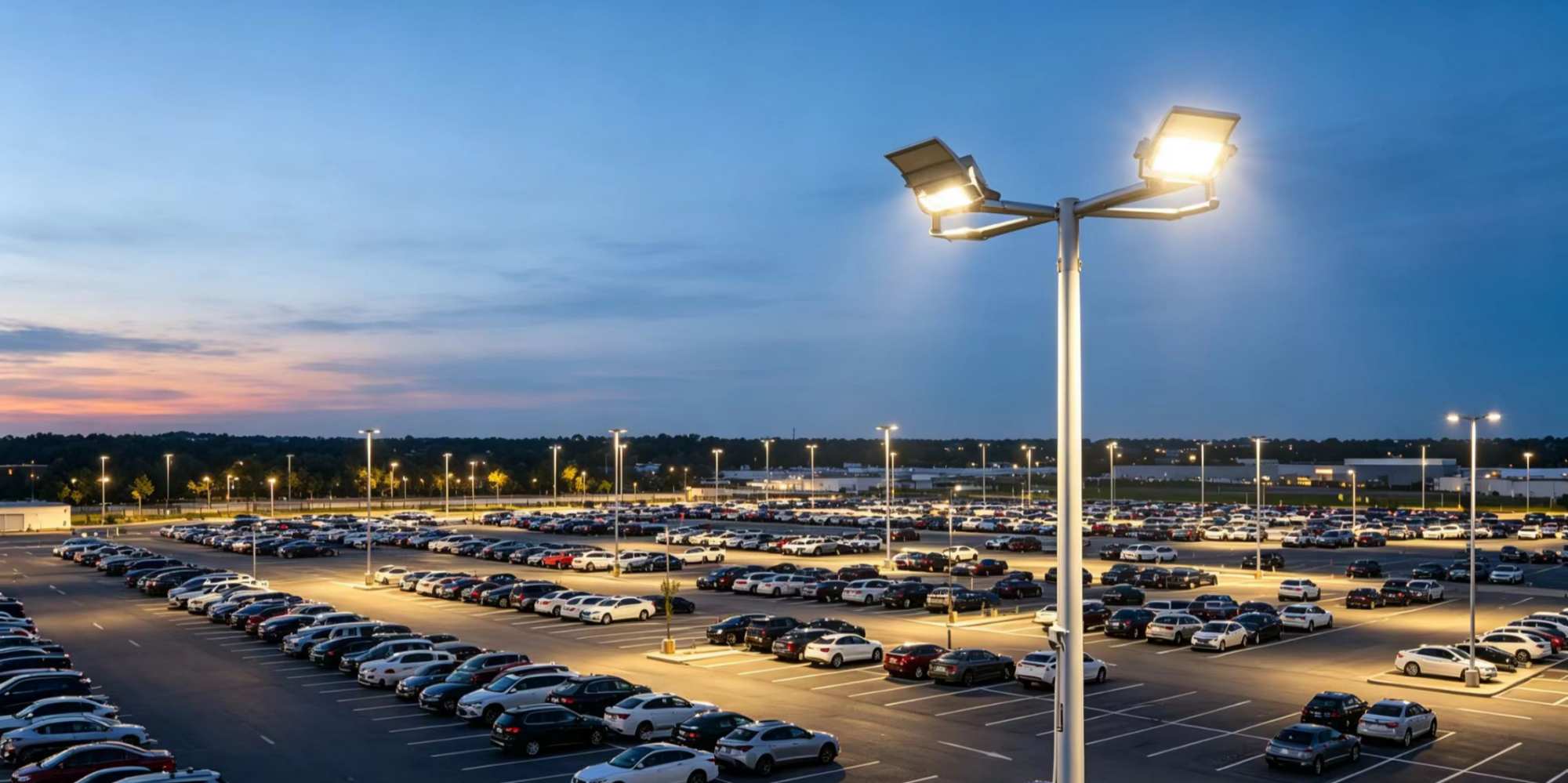
Small parking lots need taller poles. A height of 12 to 15 feet spreads light across several stalls. A 15-foot pole covers roughly 45 to 60 feet in diameter. This works for lots with 20 to 50 spaces. Drivers can see obstacles and empty spots from a distance. The light pattern covers the driving lane and adjacent parking rows.
Larger pedestrian zones or lot edges can use 15 to 20 foot poles. These taller options still count as short poles. They provide broader coverage while keeping light directed downward. A 20-foot pole at a lot entrance lights the edge without wasting light on nearby streets. This height works well for mixed-use areas where people walk and park.
The right height reduces shadows and creates uniform light. A pole that is too tall over-illuminates the center and leaves edges dark. A pole that is too short needs more poles to cover the same area. Matching height to space size saves money and energy.
How Site Size and Layout Influence the Right Light Pole Height
Site dimensions directly affect pole height selection. A rectangular lot 60 feet wide may need 15-foot poles spaced 45 to 60 feet apart. This follows the rule of spacing 3 to 4 times the mounting height. A square courtyard with 30-foot sides works well with 10-foot poles spaced 30 to 40 feet apart. Light from each pole overlaps enough to eliminate dark spots.
Irregular lots need careful planning. A curved walkway requires more poles placed at tighter intervals. A lot with islands or landscaping needs poles positioned to avoid shadows. Site surveys and photometric studies help find the best layout.
Layout features also matter. Poles near building entrances need careful height choice. A shorter pole prevents light from shining into windows. It stays below tree canopies, avoiding blocked beams. Large obstacles like signs can cast shadows. Lower poles placed closer together solve this problem.
A reliable steel lighting pole manufacturer like Morelux offers custom heights for any site layout. Their engineers provide wind load analysis and design drawings. This ensures each pole performs correctly for the specific conditions. Custom steel poles match the exact height needed for the site.
What Are the Benefits of Using Shorter Light Poles?
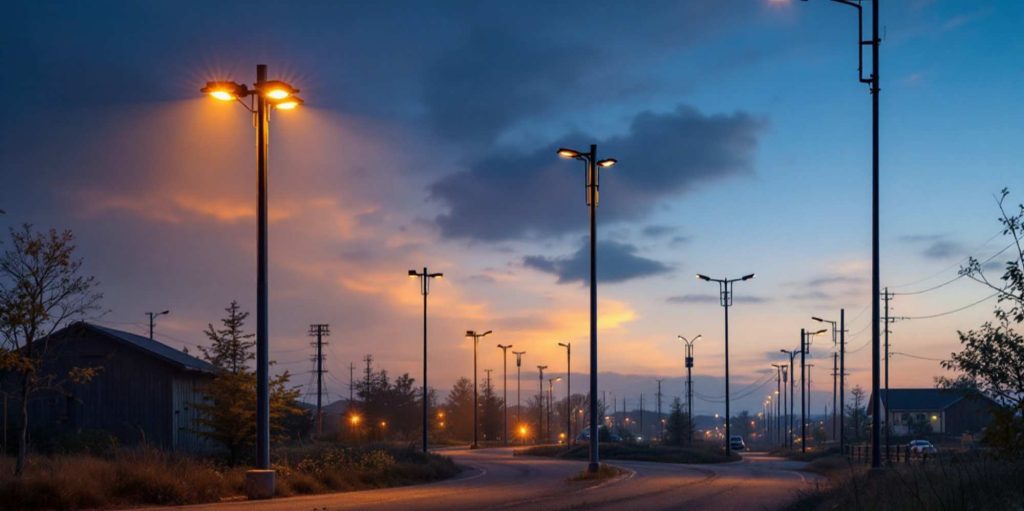
Shorter light poles can be practical for walkways, small parking areas, residential streets, parks, and other spaces where high mounting heights are unnecessary. Their main benefits relate to light control, maintenance access, and visual scale.
How Shorter Poles Can Reduce Glare and Unwanted Light Spill
Shorter poles can help keep light closer to the illuminated area and make fixture aiming easier. With the right fixture optics and spacing, they can reduce unwanted light spill toward nearby buildings, roads, or surrounding properties.
The lighting design still needs to consider pole spacing, fixture beam angle, required illumination, and site boundaries. MORELUX can customize pole heights and configurations according to the application’s lighting and structural requirements.
How Lower Poles Can Simplify Access and Routine Maintenance
Lower light poles generally provide easier access to fixtures, wiring, and mounting components. This can simplify routine inspections, cleaning, fixture replacement, and other maintenance tasks compared with installations that require specialized access equipment.
MORELUX offers different pole configurations and accessories for outdoor lighting projects, allowing pole height and mounting arrangements to be selected according to maintenance and installation requirements.
How Shorter Poles Can Complement the Scale of Outdoor Spaces
Shorter light poles can better match the scale of pedestrian areas, pathways, small parking lots, parks, and low-rise commercial spaces. Their lower profile can provide functional illumination without making the lighting infrastructure visually dominant.
For each project, pole height should be balanced with lighting coverage, fixture output, spacing, wind load, and the surrounding environment. MORELUX can customize steel light poles to suit different outdoor applications and site conditions.
How to Choose the Right Short Light Pole for Your Application
Consider Site Dimensions, Lighting Goals, and Pole Spacing First
Start with the site layout, including walkways, parking areas, entrances, and obstacles. Consider the required illumination, uniformity, glare control, and light spill. Pole spacing should work with the site dimensions and fixture optics to provide consistent coverage without dark gaps or excessive bright spots.
For walkways, small parking areas, parks, and similar spaces, shorter poles can provide suitable coverage while keeping the lighting closer to the areas that need it.
Match Pole Height With Fixture Performance and Mounting Requirements
Pole height should match the fixture’s beam pattern, mounting position, and aiming requirements. Wide-beam fixtures provide broader coverage, while narrow-beam optics offer more focused illumination.
Also check fixture weight, mounting method, bracket dimensions, and connection requirements. MORELUX provides customized steel light poles based on fixture loads, mounting configurations, pole dimensions, and project requirements.
Consider Wind Loads, Material, and Installation Conditions Together
Short light poles still require structural design based on wind speed, fixture size, projected area, pole height, and mounting configuration. These factors should be evaluated together when selecting a pole.
Material and corrosion protection are also important. MORELUX uses BS EN 10025 or approved equivalent steel and offers hot-dip galvanizing to ISO 1461. Installation conditions, including foundations, anchor bolts, ground conditions, and pole alignment, should also be considered for long-term performance.
FAQs About Shorter Light Poles for Walkways and Parking Areas
What Is the Best Light Pole Height for a Small Parking Lot?
The best light pole height depends on the parking area size, fixture output, beam angle, and required illumination. Shorter light poles can work well for small parking lots where high mounting heights are unnecessary. The final height should be selected with pole spacing and fixture performance.
What Height Light Poles Are Best for Walkways and Pathways?
Short light poles are often suitable for walkways and pathways because they keep fixtures closer to pedestrian areas. The right height depends on path width, pole spacing, fixture optics, and required light levels. MORELUX can customize steel light pole dimensions for different walkway layouts.
Are Shorter Light Poles Easier to Maintain Than Taller Poles?
Generally, shorter light poles provide easier access to fixtures and mounting components, which can simplify inspection, cleaning, and replacement. Maintenance requirements still depend on the fixture design, installation method, and site conditions.
Do Shorter Light Poles Provide Enough Coverage for Parking Areas?
Yes, shorter light poles can provide sufficient coverage for small parking areas when the pole height, spacing, fixture output, and beam pattern are properly coordinated. MORELUX can customize pole height and mounting configurations according to the parking layout and lighting requirements.
Our Steel Light Poles for Walkways and Small Parking Areas
Custom Steel Light Poles for Different Heights and Applications
MORELUX manufactures custom steel light poles for walkways, pathways, small parking areas, and other outdoor applications. Pole height, shape, dimensions, mounting configuration, and finish can be adjusted to suit different site requirements.
Available configurations include square, round, octagonal, and hexagonal steel poles, with single or double arms for different fixture arrangements. Hot-dip galvanizing and powder coating options provide suitable finishes for different project conditions.
Engineered Light Pole Solutions for Small Outdoor Lighting Projects
MORELUX provides engineering support for small outdoor lighting projects, including wind load analysis and design drawings. Pole design considers height, fixture loads, mounting configuration, and site conditions to support structural performance.
The company follows standards including BS EN, AASHTO, AS/NZS, and MS. With over 15 years of steel pole manufacturing experience, a 45,000 m² facility, and projects delivered to more than 30 countries, MORELUX supports contractors, distributors, and project teams with customized steel light pole solutions.