
Global mobile data traffic will rise almost 300% by 2026. Networks need to be more dense. A telecom monopole is a single steel pole that tapers. It holds up antennas and equipment. This design is different from big lattice towers. Telecom Monopoles enable 5G and future networks. They fit cities where land is scarce. Cities have a problem. How can they meet the need for connections while keeping looks and following rules? Telecom Monopoles give a clear answer. Their small size reduces visual impact. They speed up setup. Network planners get a useful tool. This article looks at design, uses, and engineering rules. The big jump in data traffic needs fast network growth.
Key Takeaways
- Telecom monopoles are single steel poles that hold antennas and equipment. They take up less space than lattice towers.
- Their small size and smooth, modern look make them great for cities. They fit in better and get approved faster.
- Monopoles are used for 5G and networks of the future. They can carry many antennas and smart city devices, such as cameras and sensors.
- Engineers build monopoles to last. They use strong steel and rust protection. This ensures they work for many years.
- Choosing monopoles helps networks grow fast. They are affordable and handle the rising demand for data traffic.
What Is a Telecom Monopole for Modern Telecommunication Networks?

A telecom monopole is a single tapered steel pole. Manufacturers shape the pole as round, octagonal, or polygonal sections. This design creates a small ground footprint. A typical monopole base occupies less than two square meters. The tapered shape reduces wind load and material use. Network operators choose this structure for its clean appearance and efficient use of space. These structures support antennas for 4G, 5G, and future networks. The compact design fits well in densely populated areas. Cities approve this design more easily than bulkier alternatives.
Structure and Components of a Modern Telecom Monopole
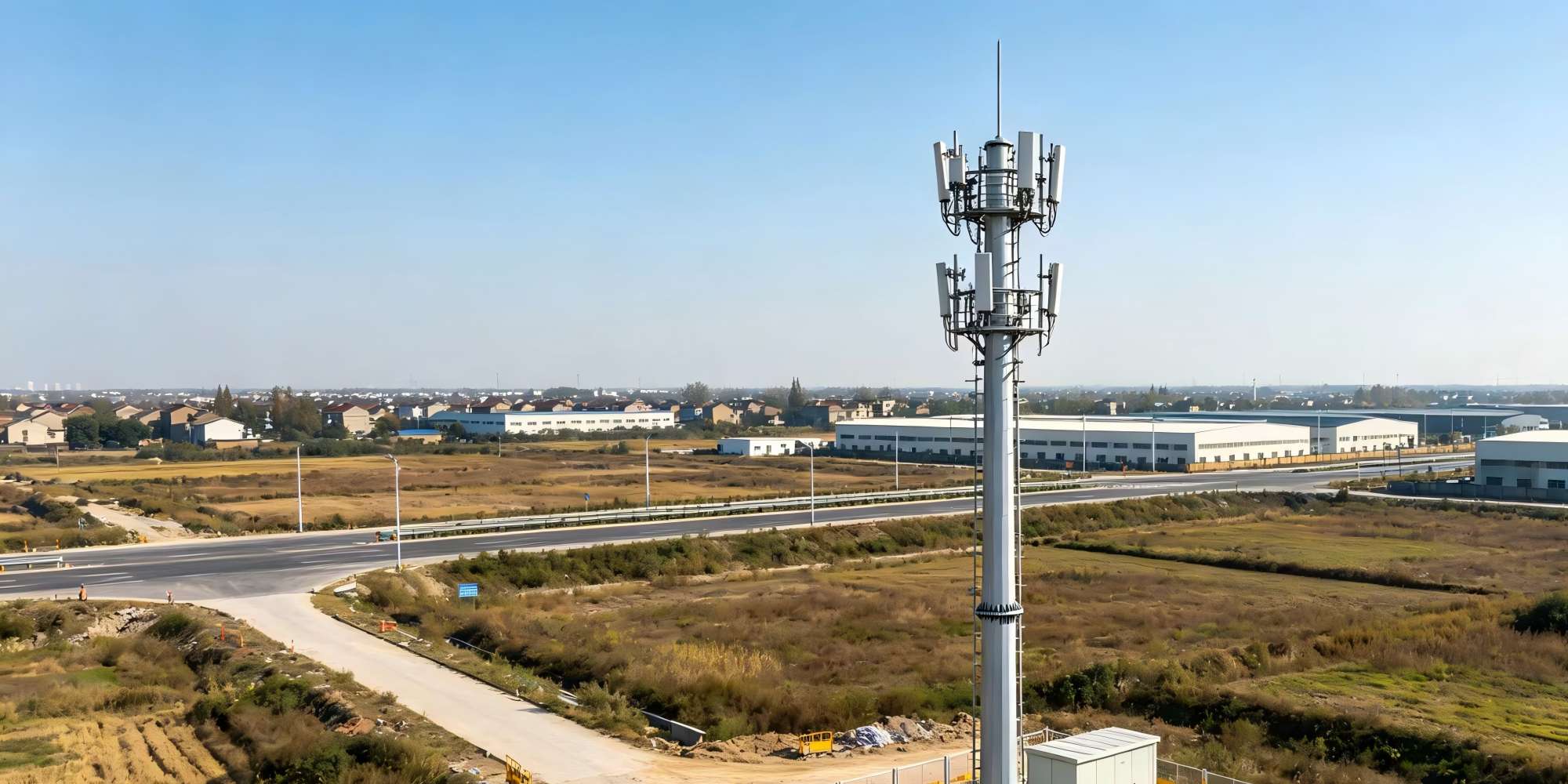
A modern telecom monopole consists of several key components. The main shaft is a hollow steel tube. It tapers from a wider base to a narrower top. Steel thickness ranges from 4 mm to 12 mm depending on height and load requirements. The top section holds mounting brackets for multiple antennas. These brackets allow adjustments for optimal signal coverage. Internal cable management systems keep wiring organized and protected from weather. A base plate or concrete foundation anchors the pole securely to the ground. Many designs include a separate equipment cabinet at the base. This cabinet houses radio units, power supplies, and fiber connections. Custom pole designs allow different configurations for various antenna types and network requirements. Engineers can modify the pole design to meet specific site conditions. The modular design makes upgrades and maintenance easier for network operators.
How Steel Pole Construction Supports Telecom Infrastructure
Steel pole construction follows strict engineering standards. Manufacturers use high-strength steel grades such as S355 or S460. These grades provide the strength needed for tall structures. Wind load analysis follows standards like BS EN 1991, AASHTO, or AS/NZS. The manufacturing process includes cutting, bending, welding, and surface treatment. Hot-dip galvanizing provides corrosion protection that lasts for decades. Custom pole lengths range from 6 meters for small cells to 45 meters for macro sites. Each pole undergoes quality testing before shipment. The factory environment allows precise control of weld quality and dimensional accuracy. Engineers perform structural calculations to ensure the pole meets all safety requirements. This reliable construction supports the demanding requirements of modern networks. The manufacturing process can produce poles with different shapes and thicknesses to match specific project needs.
Key Characteristics of Telecom Monopole Structures
Telecom monopole structures offer several key advantages. The compact footprint allows installation on sidewalks, medians, and building rooftops. The single pole design reduces visual clutter compared to lattice towers. Height ranges from 6 meters for small cells to 45 meters for macro sites. Wind resistance depends on the pole shape, thickness, and foundation design. Tapered poles typically handle wind speeds up to 200 km/h. The streamlined shape also reduces ice accumulation in cold climates. These characteristics make telecom monopoles suitable for urban and suburban environments. The structures require less land than traditional tower designs. This land efficiency saves money in expensive urban areas.
How Are Telecom Monopoles Designed for Modern Networks?
5G networks need dense coverage with small cells placed every few hundred meters. Monopoles are the perfect choice for this job. They hold antennas at heights that work well in cities and suburbs. Modern designs include smart city features. These features include CCTV cameras, environmental sensors, and public Wi-Fi hotspots. Environmental sensors check air quality, noise levels, and traffic patterns. Security cameras help keep people safe. Highways and railways benefit from this combined approach. The pole becomes a multi-purpose structure that serves many community needs at once.
Height, Load Capacity, and Wind Resistance of Telecom Monopoles
Height depends on where the pole is placed. The table below shows typical ranges.
| Deployment Context | Typical Height Range |
|---|---|
| Urban areas | 30-60 feet (9-18 meters) |
| Suburban areas | 60-90 feet (18-27 meters) |
The pole must hold up to 1500 kg of equipment. This load includes antennas, cables, and mounting hardware. Wind load analysis follows national standards. The United Kingdom uses BS EN 1991.1.4:2005+A1:2010. Germany applies DIN EN 1991.1.4/NA:2008-9. France uses NF EN 1991.1.4/NA/A1 Juillet 2011. These standards make sure the structure handles local wind conditions. The tapered shape cuts wind resistance while keeping strength. Engineers calculate wall thickness and foundation design based on these factors. Local wind data and terrain conditions shape the final design.
Antenna Mounting and Cable Management for Telecom Monopoles
The top platform holds 3 to 6 Massive MIMO antennas in a triangular setup. This pattern gives 360-degree coverage. Middle sections support 3 to 4 dual-band antennas plus 1 to 2 microwave antennas. This setup supports the high data capacity of 5G networks. The 1500 kg load limit ensures the pole handles current and future equipment. The modular mounting system allows easy changes as network needs grow.
All feeder cables run inside the pole. This internal cable system protects cables from rain, wind-blown debris, and UV exposure. Solid bottom trays keep out dust and water. The system reduces weather damage and service outages. Technicians access cables through special ports without climbing the pole. This design lowers safety risks and service downtime.
Smart city devices mount on the same pole. IoT sensors check air quality, traffic, noise levels, and structural health. Security cameras and public Wi-Fi hotspots add more value. This multi-purpose approach makes each pole a valuable infrastructure asset. Network operators gain efficiency by combining multiple services on one structure.
Designing Telecom Monopoles for 4G and 5G Network Growth
Telecom monopoles should allow for current network equipment and future upgrades. Modular mounting systems make it easier to add or replace antennas and equipment as coverage and capacity requirements increase, helping extend the service life of the structure.
Where Are Telecom Monopoles Used in Modern Networks?

Network planners put telecom monopoles in many places. These structures serve city centers, suburbs, and roads. The choice of location depends on coverage needs, zoning rules, and community acceptance. Two main use cases show the value of this design.
Telecom Monopoles for Urban and Suburban Coverage
Cities need higher network capacity while available space is limited. Telecom monopoles offer a compact solution for urban and suburban sites, including sidewalks, medians, and other space-constrained locations. Their streamlined profile also creates less visual impact than traditional lattice towers, making them suitable for residential and commercial areas.
| Feature | Monopole | Lattice Tower |
|---|---|---|
| Aesthetic Profile | Sleek and less visually intrusive | Larger, industrial appearance |
| Space Requirements | Compact footprint | Wider base |
| Urban Applications | Suitable for space-limited areas | Less suitable for dense areas |
Their compact structure helps reduce visual clutter while supporting reliable wireless coverage in developed areas.
Telecom Monopoles for Highways and Transportation Networks
Telecom monopoles provide reliable wireless coverage along highways, railways, and transit routes. Their compact design works well in narrow rights-of-way without taking up excessive space. The poles can support cellular antennas, microwave equipment, CCTV, traffic sensors, and other communication devices. This multi-purpose design helps reduce the number of structures required while supporting connectivity, traffic management, and public safety across transportation networks.
Telecom Monopoles for Industrial, Commercial, and Public Sites
Industrial facilities, business parks, campuses, government facilities, and public spaces may use telecom monopoles for dedicated wireless coverage and site communication. They support cellular antennas, microwave equipment, security systems, and other wireless devices according to site requirements. Industrial sites can use them for plant-wide connectivity, while commercial properties and public facilities can support communication, surveillance, and wireless services from a single structure.
How Are Telecom Monopoles Engineered and Installed?
Building a telecom monopole requires exact work. Each structure must handle years of wind, rain, and temperature changes. Makers follow strict global rules. These rules cover steel strength, weld quality, and rust protection. The table below lists the main standards used in monopole design.
| Standard | Use in Telecom Monopole Design |
|---|---|
| ANSI/TIA-222-G | Wind and structure rules for telecom towers; built for winds up to 330 km/h |
| AASHTO | Structure support rules that ensure wind resistance and long life |
| BS EN 40 | Lighting pole rules used for monopole structure design |
| AWS D1.1 | Weld quality for strong joints |
| EN 1090 | Structure rules for steel buildings |
| ASTM A123/A123M | Hot-dip galvanization method for 50-year rust resistance |
Wind load checks follow local rules. Engineers calculate forces from ground shape, pole height, and local wind data. The tapered shape cuts wind resistance on its own. Strong steel types like Q345B or Q420 give the needed strength. These types handle heavy antenna loads in windy areas.
Foundation Preparation and Site Requirements
The foundation must pass all loads safely into the ground. Soil type decides which foundation to use. Engineers test the soil before picking a design. The table below shows typical soil strength values.
| Soil Type | Allowable Bearing Capacity (kPa) | Suitability |
|---|---|---|
| Compact gravel / sandy soil | 180–350 | Best; regular pad foundation works |
| Stiff clay | 120–250 | Good for medium-height towers |
| Soft silt / muddy soil | 40–80 | Needs deep piles or drilled shafts |
| Bedrock | >300 | Great; rock-anchored foundation |
A minimum bearing capacity of 100 kPa is needed for standard monopoles. Tall heavy-load towers need 180 kPa or more. Common foundation types include drilled piers, mat foundations, micropiles, and helical piles. Helical piles install fast without waiting for concrete to dry. They work well for smaller structures and upgrades. Deep pile foundations suit tall towers on weak soil. Mat foundations spread loads over wide areas for low-strength ground.
Steel Pole Manufacturing and Quality Control
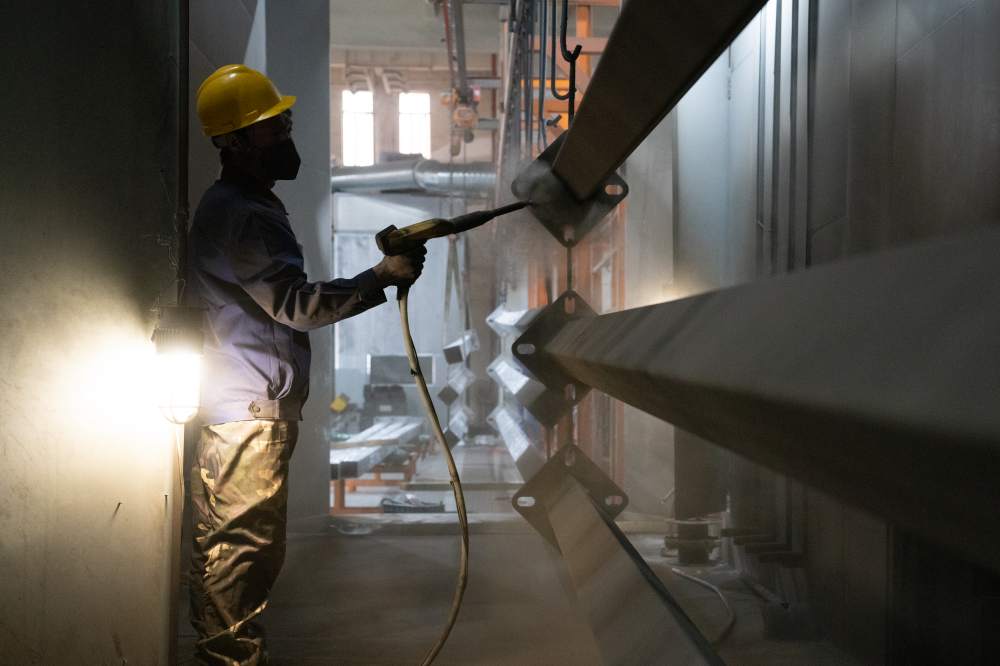
Making starts with picking steel plates. Factories cut, bend, and weld the plates into tapered sections. Modern plants cover 45,000 square meters. A team of over 200 engineers watches over production. Each weld gets checked per AWS D1.1 rules. Hot-dip galvanization gives rust protection that lasts for decades. The process follows ASTM A123/A123M methods.
Quality checks include ISO 9001:2015 certification. This certification ensures steady manufacturing steps. Every pole gets structure calculations and wind load checks. The factory tests size accuracy and weld quality before shipping. Future trends include 6G readiness and new materials. New steel blends offer more strength with less weight. These advances get monopoles ready for next-generation network needs.
Built with high-strength steel types, these towers go through strict quality checks during making.
This focus on quality ensures reliable service for 20 years or more. Network planners can trust the engineering behind every monopole.
Transportation, Installation, and Maintenance
After fabrication and inspection, monopole sections are prepared for safe transportation and on-site assembly. Installation typically includes foundation completion, section erection, flange or connection assembly, antenna mounting, cable routing, and final structural inspection.
Once in service, routine maintenance focuses on checking connections, corrosion protection, antenna mounts, cables, and foundation conditions. Regular inspections help identify issues early and maintain the monopole’s structural performance throughout its service life.
Why Choose Our Telecom Monopole and Steel Pole Solutions?
MORELUX provides customized telecom monopoles for different network applications, combining engineering support, steel fabrication, corrosion protection, and quality control. Our Malaysia factory supports projects from design and production to delivery.
Custom Telecom Monopole Design for Different Network Needs
MORELUX telecom monopoles are available in standard heights from 15 m to 45 m, with custom designs available for taller structures. Designs can be adapted for wind speeds, seismic zones, antenna loads, equipment weight, and future carrier expansion. Options include antenna mounts, 2–6 sector frames, microwave brackets, equipment platforms, cable ladders, and safety accessories.
Durable Steel Pole Construction for Long-Term Performance
Our telecom monopoles use S275JR, S355JR, or equivalent structural steel and can be protected with hot-dip galvanizing, duplex coating, or powder coating. Hot-dip galvanizing follows ISO 1461 and provides corrosion protection for outdoor telecom applications, with a typical service life of 30–50 years under normal conditions.
Quality Control and Standards for Telecom Monopole Projects
MORELUX combines engineering verification with controlled manufacturing. Our team provides structural calculations, wind load analysis, foundation recommendations, and CAD drawings, while production includes material, welding, dimensional, galvanizing, and final product inspections. Telecom monopoles can be designed to TIA-222, EN 1993, or customer specifications.
Telecom Monopole FAQs for Buyers and Network Projects
What Height Options Are Available for Telecom Monopole Towers?
MORELUX telecom monopoles are available from 15 m to 45 m, with custom heights available based on coverage, site conditions, antenna elevation, and project requirements.
How Is the Load Capacity of a Telecom Monopole Determined?
Load capacity depends on tower height, steel grade, wall thickness, wind speed, antenna loads, and equipment weight. MORELUX designs each monopole according to project-specific structural requirements.
Can Telecom Monopoles Support Multiple Antennas and Equipment?
Yes. Telecom monopoles can support multiple antennas, microwave dishes, RRUs, platforms, and cable accessories, with customized mounting systems for multi-carrier deployments.
Are Telecom Monopoles Suitable for Urban 4G and 5G Networks?
Yes. Their compact footprint makes monopoles suitable for urban 4G and 5G sites, including locations with limited installation space and multi-antenna requirements.
Can Steel Pole Telecom Monopoles Be Customized for Projects?
Yes. MORELUX can customize height, pole structure, antenna mounts, platforms, coating, color, and accessories according to site conditions and network requirements.
What Standards Should Telecom Monopoles Meet Before Installation?
Telecom monopoles should meet applicable structural, material, welding, and galvanizing standards. MORELUX can manufacture according to standards such as TIA-222, EN 1993, and ISO 1461, or customer specifications.