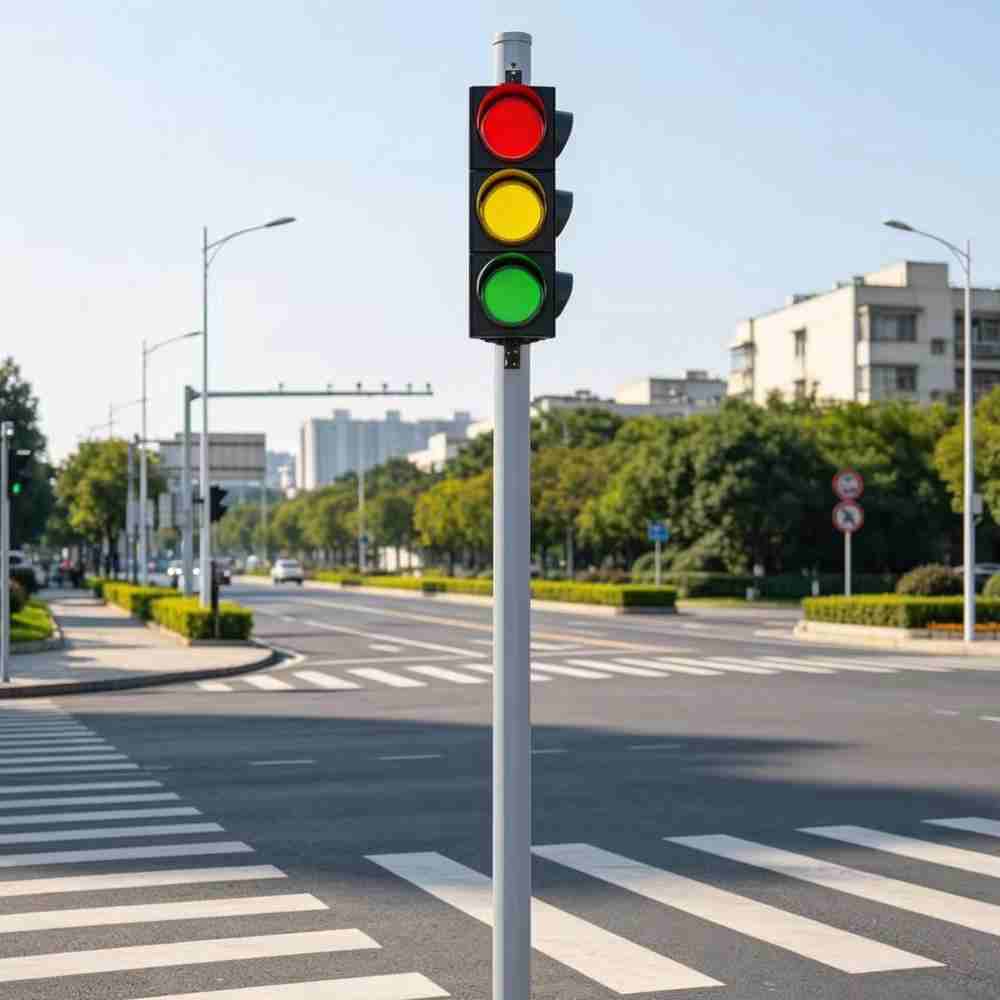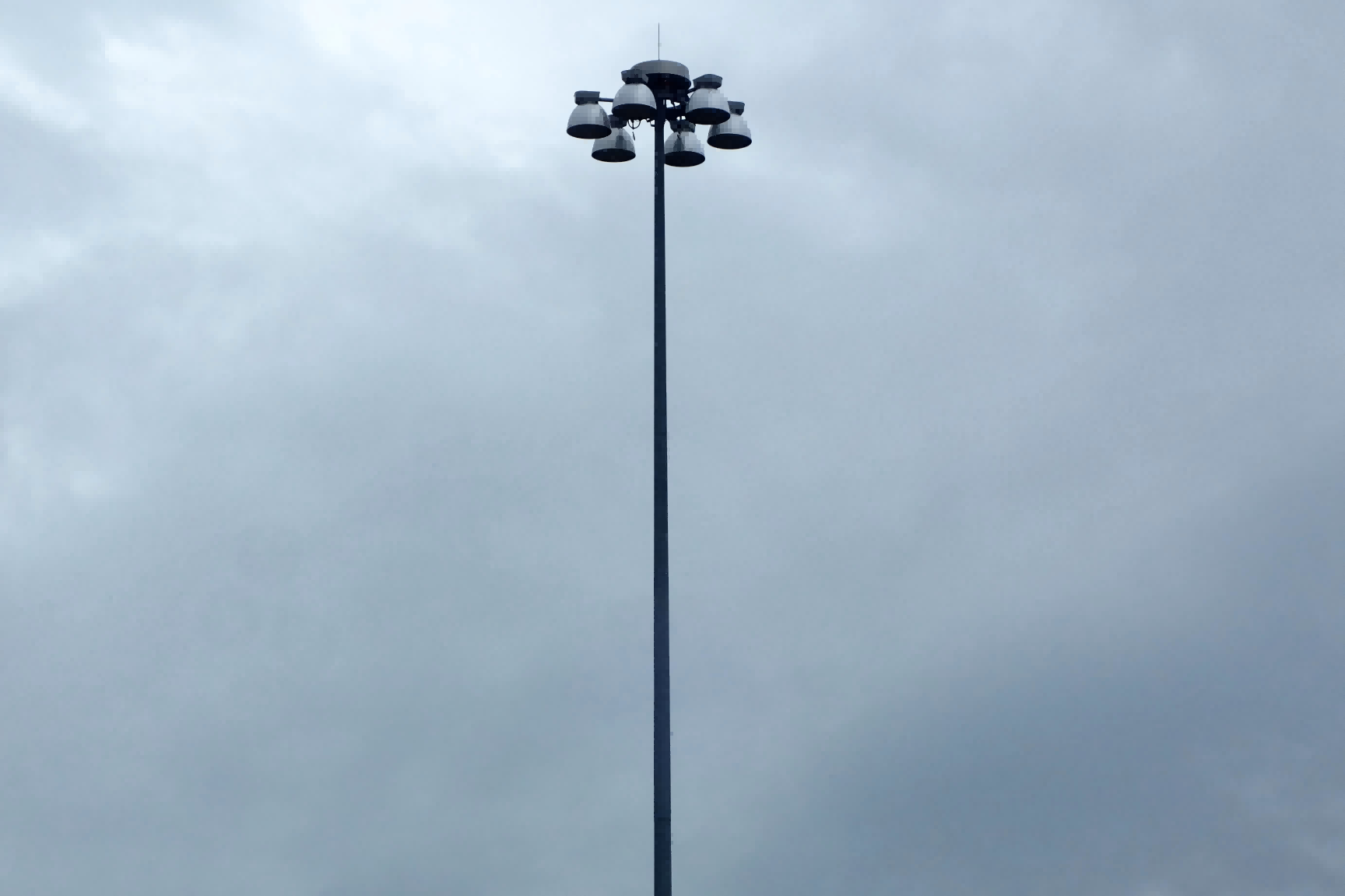
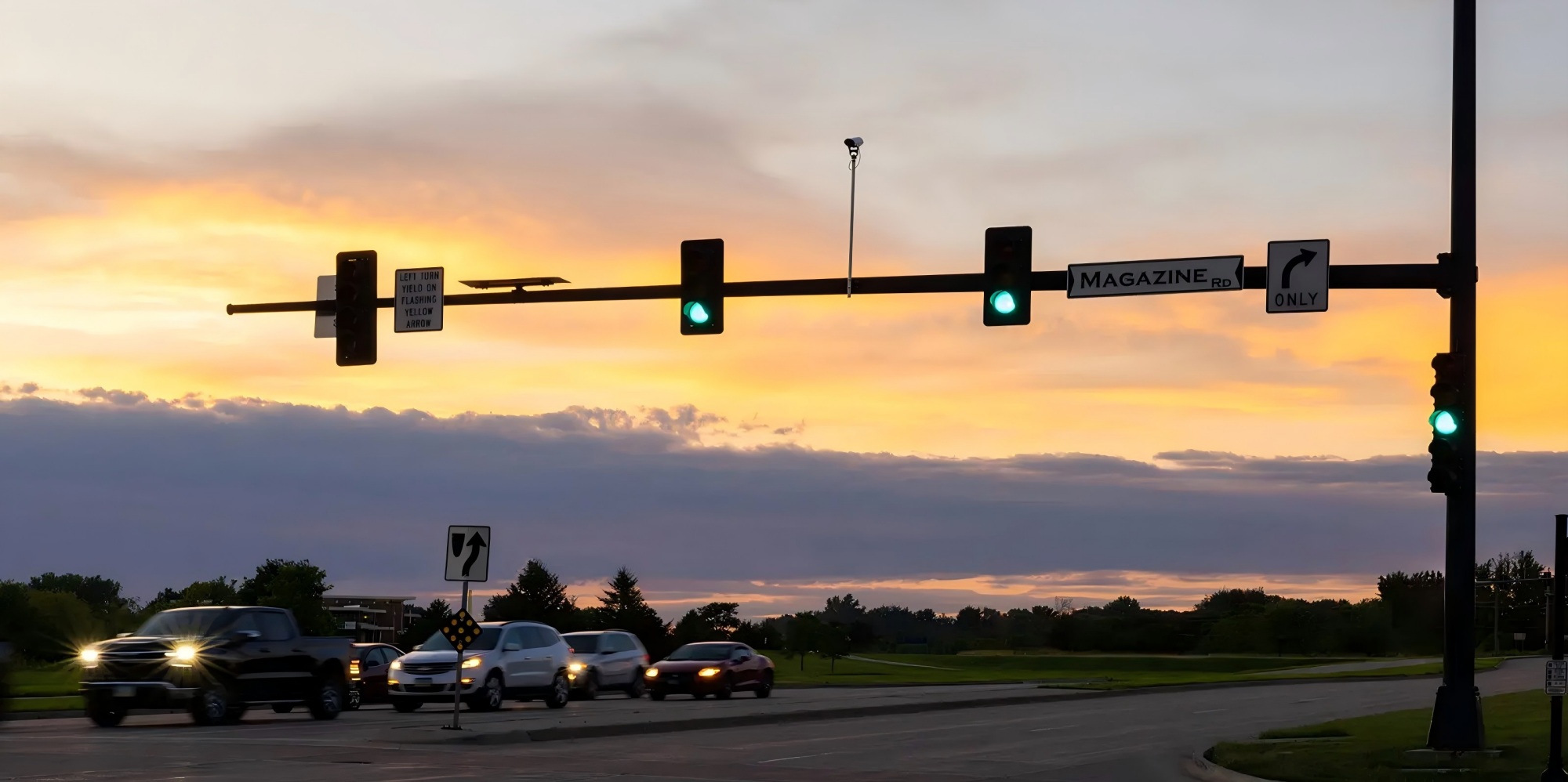
Picture a driver coming up to a busy intersection. Rain makes it hard to see through the windshield. Traffic lights switch from green to yellow to red. The driver comes to a safe stop. This works because of a traffic pole. A traffic signal pole is a tall, upright structure. It holds traffic lights, signs, cameras, and lights. Its job is to keep things safe and organized. These poles are built to last and be easy to see. They help make sure everyone on the road understands the traffic rules.
Every day, millions of drivers use these poles without even thinking about them. This article looks at the main jobs of a Traffic steel Pole. It also covers different types and key things to think about when choosing one. The material and design matter a lot. Knowing these details helps engineers and planners pick the right pole.
Key Takeaways
- Traffic poles support signals and signs to keep roads safe and organized.
- Steel poles stand up to weather and last 20 to 50 years if they have the right coating.
- Pick the pole’s height and shape by thinking about wind, how heavy the equipment is, and the kind of road.
- Square poles make it easier to attach things; round poles stand up to wind better.
- Smart poles with sensors will help manage traffic better in the future.
What Is a Traffic Pole and What Is It Used For?
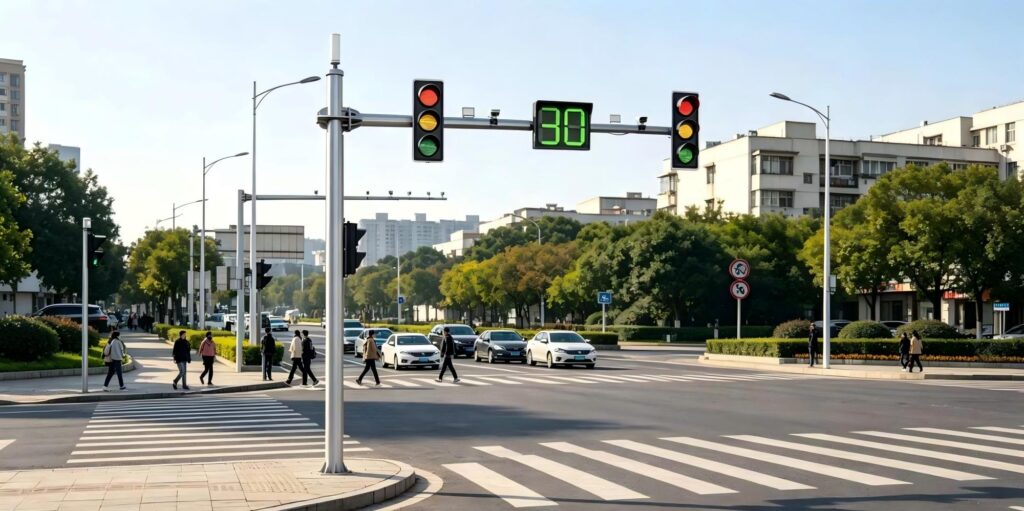
A traffic pole is a steel structure used to support traffic signals, road signs, cameras, and other roadside equipment. Its design must provide sufficient structural strength while keeping mounted equipment at the required position for safe and effective road management.
Basic Structure and Function of a Steel Traffic Pole
A steel traffic pole typically consists of a steel shaft, base plate, foundation connection, and mounting components. The shaft transfers equipment loads and environmental forces to the foundation, while the base plate and anchor bolts secure the pole in place.
MORELUX manufactures steel poles in different shapes and configurations based on project requirements. Pole dimensions, wall thickness, and structural details can be adjusted according to height, wind conditions, equipment loads, and installation requirements.
How Traffic Poles Support Signals, Signs, and Road Equipment
Traffic poles can support a range of roadside equipment, including traffic signal heads, signs, CCTV cameras, lighting fixtures, and other monitoring devices. Custom brackets, arms, and mounting accessories help position each device according to the road layout and project requirements.
The pole must account for the combined weight and wind load of the mounted equipment. MORELUX can provide customized mounting configurations and structural calculations to help ensure the pole is suitable for its intended equipment.
Key Design Requirements for Modern Traffic Pole Applications
Modern traffic poles should be designed around height, equipment loads, local wind conditions, foundation requirements, and the number and arrangement of mounted devices. Corrosion protection is also important for long-term outdoor use.
MORELUX can provide structural calculations, wind load analysis, CAD drawings, and customized specifications for traffic pole projects. Steel poles can also be finished with hot-dip galvanizing, powder coating, or other specified surface treatments to suit the installation environment.
What Types of Steel Traffic Poles Are Available?
Steel traffic poles are available in different structural profiles to suit varying equipment loads, wind conditions, mounting requirements, and site designs. MORELUX can manufacture customized steel poles in different shapes and configurations according to project specifications.
Square Steel Pole Designs for Traffic Signal Applications
Square steel poles provide flat surfaces that are convenient for mounting traffic signals, signs, cameras, and other roadside equipment. Their straight-sided profile also offers a clean appearance for intersections and urban traffic infrastructure. Pole dimensions, wall thickness, and mounting details can be customized based on project requirements.
Round and Tubular Steel Pole Designs for Traffic Systems
Round and tubular steel poles provide a streamlined structure for traffic systems and roadside applications. They can be used with signal arms, lighting fixtures, CCTV cameras, and other equipment. Tubular designs are also suitable for applications where a clean profile and flexible mounting configuration are required.
Tapered and Octagonal Steel Pole Designs for Traffic Systems
Tapered steel poles use a wider base and narrower upper section to provide an efficient structural configuration for outdoor applications. Octagonal poles add flat mounting surfaces while maintaining a rigid multi-sided profile. Both designs can be customized in height, dimensions, mounting options, and surface treatment for different traffic and infrastructure projects.
What Traffic Pole Arm Configurations Are Commonly Used?
Traffic pole arm configurations determine how signals, signs, and other equipment are positioned over or beside the roadway. The right configuration depends on the intersection layout, equipment arrangement, required reach, and project specifications.
Single Arm Steel Poles for Traffic Signal Installations
Single arm steel poles use one horizontal arm extending from the vertical shaft to position traffic signals over the roadway. They are suitable for standard intersections where signals need to be clearly visible from the approaching traffic lanes. MORELUX can customize the arm length, pole dimensions, mounting details, and surface treatment according to project requirements.
Double Arm Steel Poles for Multiple Signal Applications
Double arm steel poles use two arms to support signals or other equipment in different directions. This configuration can serve intersections requiring multiple overhead signal positions while keeping the support structure consolidated. Structural design considers the combined equipment loads and wind forces acting on both arms.
Mast Arm and Cantilever Configurations for Traffic Poles
Mast arm and cantilever configurations extend equipment away from the vertical pole to provide overhead coverage across the roadway. They are useful where signals or signs need to be positioned directly above specific lanes. MORELUX can customize the arm configuration, span, mounting points, and structural specifications based on road layout and equipment requirements.
Where Are Steel Traffic Poles Commonly Used?
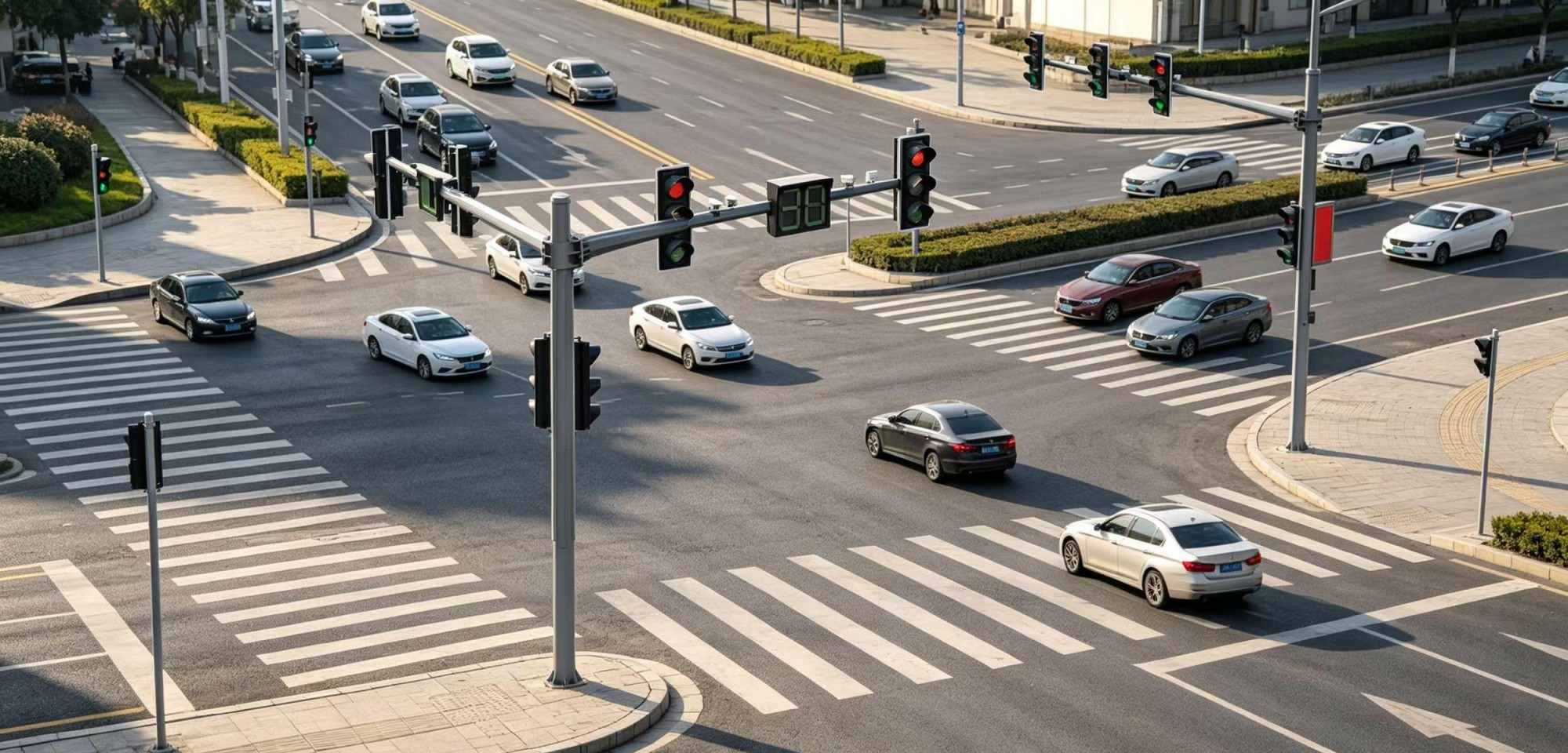
Steel traffic poles are used across roads and transportation infrastructure to support traffic signals, signs, cameras, and other road equipment. Their height, arm configuration, material, and surface treatment can be selected according to the application and site conditions.
Steel Traffic Poles for Road Intersections and Urban Streets
Urban intersections require clear positioning for traffic signals, signs, CCTV cameras, and pedestrian equipment. Steel traffic poles provide a stable structure while keeping equipment visible to drivers and pedestrians. Their compact design is suitable for streets where installation space is limited.
Different pole shapes and arm configurations can be selected according to the intersection layout. Galvanized or powder coated finishes also help protect the pole from moisture, road pollutants, and outdoor exposure. MORELUX can customize pole dimensions, mounting arrangements, and finishes for different urban traffic projects.
Steel Traffic Poles for Highways and Major Transportation Routes
Highways require traffic poles that can support equipment at greater heights and across wider road areas. Mast arms, cantilever arms, and other overhead configurations can position signals and signs above specific lanes for better visibility.
These poles may also support CCTV cameras, traffic monitoring equipment, and other roadside systems. Structural design considers pole height, equipment loads, wind conditions, and foundation requirements. MORELUX provides customized steel traffic poles based on project specifications and installation conditions.
Steel Traffic Poles for Pedestrian Crossings and Road Safety
Pedestrian crossings need clearly visible signals and signs to guide both pedestrians and drivers. Steel traffic poles can support pedestrian signals, crossing signs, warning lights, and CCTV equipment at suitable positions.
For road safety projects, pole design focuses on stable equipment mounting, clear visibility, and long-term outdoor performance. Protective finishes such as hot-dip galvanizing and powder coating can be selected according to the local environment, helping reduce corrosion and maintenance requirements.
How Do You Choose the Right Steel Traffic Pole?
Choosing the right steel traffic pole depends on the road layout, equipment loads, wind conditions, and installation environment. The pole height, shape, arm configuration, and material should be matched to the specific project requirements.
Selecting Steel Pole Height and Load Capacity for Traffic Systems
Pole height should provide clear visibility while maintaining structural stability. Taller poles generally face greater wind loads, especially on open roads and highways. The required height should therefore be determined by the road layout, signal position, and local requirements.
Load capacity also depends on the equipment mounted on the pole. Traffic signals, signs, CCTV cameras, and other devices all add weight and wind area. MORELUX can design pole dimensions, wall thickness, and mounting arrangements based on the required equipment loads, with structural calculations and wind load analysis available for custom projects.
Choosing Pole Shape and Arm Configuration for Road Conditions
Pole shape and arm configuration should match the intersection and equipment layout. Square poles provide flat surfaces for mounting, while round and tubular designs offer a streamlined profile. Tapered and octagonal poles provide additional structural options for different traffic applications.
Single arms suit standard signal installations, while double arms, mast arms, and cantilever configurations can position equipment over multiple lanes or approaches. The right configuration helps maintain clear signal visibility while keeping the structure stable.
Considering Wind Loads and Equipment Requirements for Steel Poles
Wind conditions are an important factor when selecting a steel traffic pole. Coastal areas, open highways, and other exposed locations may require different structural specifications from sheltered urban streets. Engineers should consider local wind data together with pole height and the size and position of mounted equipment.
MORELUX can customize steel traffic poles according to project conditions, including height, wall thickness, arm design, mounting points, and surface treatment. This helps contractors and project planners select a pole suited to the actual installation environment.
Why Choose Our Steel Traffic Pole Solutions?
MORELUX provides steel traffic pole solutions for different road, traffic, and infrastructure projects. Our approach combines customized design, controlled manufacturing, and suitable surface treatment to meet project requirements.
Custom Steel Traffic Pole Designs for Different Road Applications
Different road layouts require different pole configurations. MORELUX offers square, round, tubular, octagonal, and other steel pole designs, with single arm, double arm, mast arm, and cantilever options.
Pole height, wall thickness, arm length, mounting points, and base design can be customized according to equipment loads, wind conditions, and installation requirements. This allows contractors and project planners to select a traffic pole that fits the specific application rather than relying on a standard design.
Quality Manufacturing and Testing for Reliable Steel Traffic Poles
MORELUX controls key manufacturing processes from steel cutting and forming to welding, surface treatment, and final inspection. Quality checks help verify dimensions, welds, material properties, and coating performance before shipment.
Our steel pole solutions can be designed according to applicable standards and project specifications. Engineering support can also include design drawings, structural calculations, and wind load analysis for custom projects. This helps ensure consistent quality and reliable performance in outdoor traffic applications.
Galvanized and Powder Coated Steel Pole Finishing Options
MORELUX offers hot-dip galvanized and powder coated finishing options for different environmental and aesthetic requirements. Galvanizing provides corrosion protection for outdoor steel poles, while powder coating adds a durable colored finish and additional surface protection.
For projects requiring both corrosion resistance and appearance, a duplex system combining galvanizing and powder coating can also be considered. The suitable finish depends on the installation environment, expected exposure, and project specifications.
Steel Traffic Pole FAQs for Buyers and Project Planners
Which Steel Pole Shape Is Best for Traffic Signal Applications?
The best pole shape depends on the required height, wind load, equipment configuration, and site conditions. MORELUX offers different steel pole profiles, including tapered and octagonal designs, which can be selected according to the structural and installation requirements of traffic signal projects.
How Long Can a Galvanized Steel Traffic Pole Last Outdoors?
A galvanized steel traffic pole can provide long-term outdoor performance when properly designed and protected. MORELUX uses hot-dip galvanizing to help protect steel poles from moisture and corrosion. Actual service life depends on factors such as climate, exposure conditions, coating quality, and maintenance.
Can Steel Traffic Poles Be Customized for Different Projects?
Yes. MORELUX can customize steel traffic poles according to project requirements, including height, dimensions, wall thickness, mounting configurations, base plates, access doors, and surface treatments. Structural calculations and wind load analysis can also be provided for project-specific designs.