Modern steel pole options improve safety, strength, and savings for today’s highway systems. These strong steel poles handle tough weather, including powerful winds and damage from rust. Well-built highway equipment uses high-quality materials that can withstand more than 760 MPa of pulling force. This solid design keeps drivers safe while cutting down on repair work for state highway departments.
Morelux uses a modern 45,000 m² factory to build custom steel parts for projects around the world. These items follow tough global rules, such as BS EN, AASHTO, AS/NZS, and MS guidelines. High-tech protective coatings give these important traffic poles long-lasting reliability.
Key Takeaways
- Strong steel highway poles easily stand up to bad weather, powerful winds, and constant vibrations from passing traffic.
- Hot-dip galvanizing and protective coatings guard metal poles against rust damage for up to sixty years.
- Tailored plans and flexible parts help workers quickly set up streetlights, traffic cameras, and new sensors.
- Strict world safety rules lower future repair costs and protect drivers on crowded roads.
Steel Pole Solutions for Highway and Roadway Projects

Morelux brings over 15 years of technical skill to modern transportation systems around the world. Our large 45,000 m² factory creates strong steel products that meet strict global standards. Road construction projects need reliable equipment to keep drivers safe and reduce future repair costs. A high-strength steel pole supports heavy loads easily while offering simple mounting options for workers. These engineered designs speed up site setup and deliver lasting service along busy highway routes. Our expert production steps ensure reliable material strength and strong fatigue resistance for tough traffic conditions.
Steel Lighting Poles for Highway and Roadway Applications
Common utility posts in the 40-80ft range form the working backbone of modern highway systems. These flexible designs balance overhead clearance limits, physical strength, and total project building costs. Being lighter than concrete poles, they travel faster and mount easier onto built base foundations. Their small size helps construction crews install hardware easily within narrow roadside workspaces. Every design strictly follows the AASHTO Specifications for Structural Supports of Highway Signs, Luminaires, and Traffic Signals. Factory teams shape quality low carbon steel following the AWS D1.1 structural welding specification. Dependable material quality maintains steady support beneath heavy overhead signs and lights. Strong surface treatments protect metal parts from early rust damage in harsh coastal or factory areas. These shielding methods include hot-dip galvanizing per ASTM A123, tough powder paint, and double-layer duplex coatings.
Steel Traffic Signal Poles for Intersection and Traffic Control
Traffic signal pole supports must endure constant moving forces caused by powerful wind gusts and severe storms. Strict factory checks guarantee full structural consistency across every single built post. Exact measurements improve joint fits and eliminate expensive field fixes during road construction projects. Precise manufacturing steps ensure perfect alignment during fast-moving installation tasks on active highways.
- Robustness under harsh exposure: Support posts resist strong wind forces, heavy rainfall, and tight roadside land limits.
- Corrosion-resilient design: Protective exterior coatings safeguard delicate joint connections and greatly reduce regular maintenance needs.
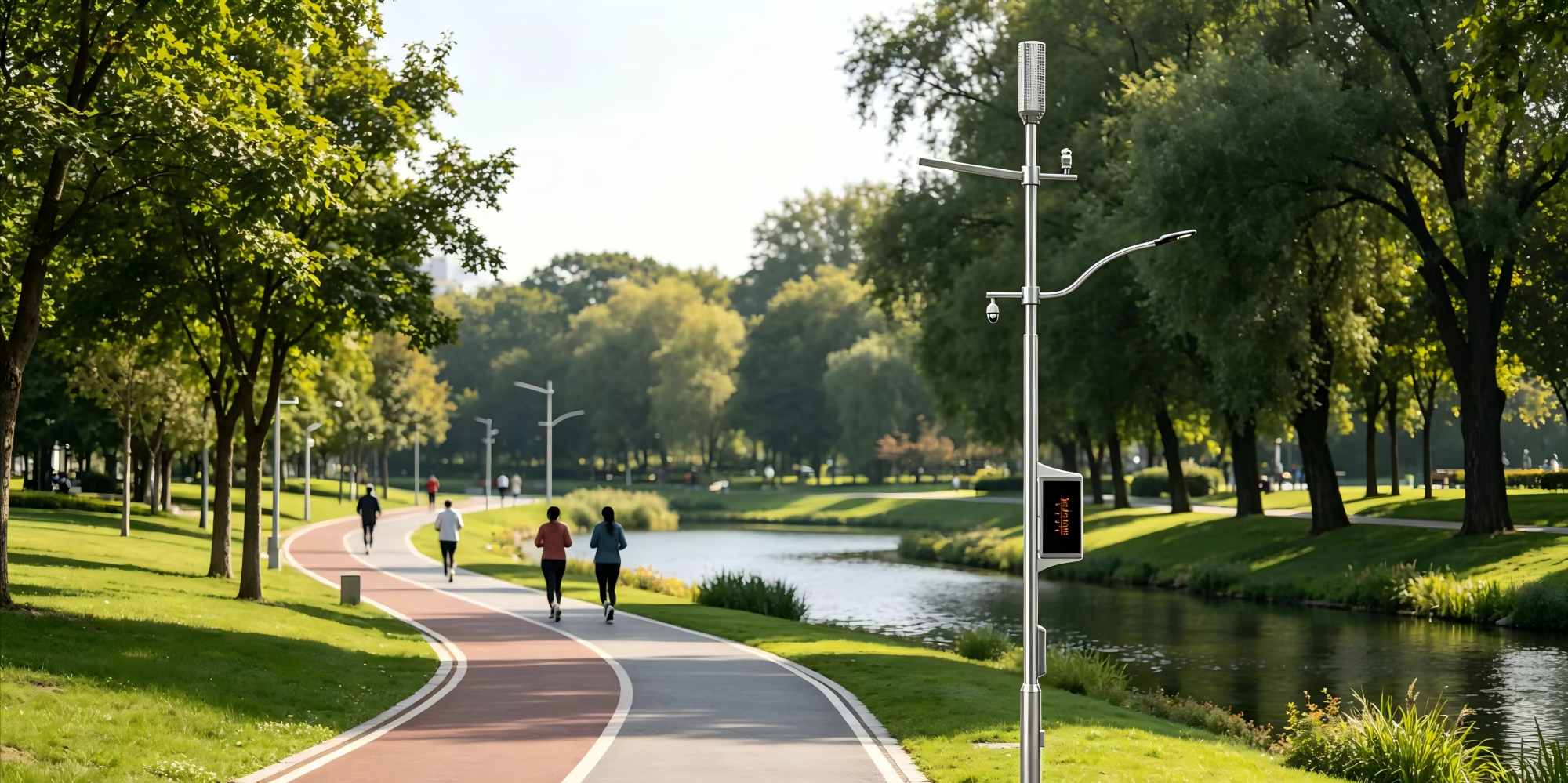
- Adaptable configurations: Flexible connection designs fit new traffic sensors and modern cameras without replacing the whole pole.
Steel Poles for Bridges Tunnels and Transportation Facilities
Bridges, low water crossings, and dark tunnel passes create harsh spaces for roadside steel equipment. Heavy sea salt spray, high humidity, and chemical factory fumes speed up rust on exposed metals. Low highway spots trap damp air, causing heavy salt build-up on nearby post hardware. Design teams use smart building details to remove standing water and lower direct road-salt contact.
| Category | Condition or Location | Structural Rationale or Specification |
|---|---|---|
| Marine Environment | Coastal Salt Spray Areas | Thick salt spray creates heavy rust damage on bare metal surfaces. |
| Humid Atmosphere | Persistent Fog or Humidity | Bare steel needs testing when average wet times go over 60%. |
| Water Clearance | Low Level Water Crossings | Keep a basic clearance of 10 ft over still water and 8 ft over moving water. |
| Drainage Control | Bridge Drainage and Joints | Seal bridge expansion joints and paint nearby steel up to 1.5x girder depth. |
Good roadway water drainage acts as the main shield against damaging salt runoff water. Workers seal overlapping joints in tapered splices to block trapped water and prevent interior rust growth. Custom hollow poles get tight seals or small drain holes to allow smooth interior water drainage and airflow.
Advantages of Steel Poles for Highway Applications
High Strength Steel Construction for Outdoor Performance
Custom shape options easily meet different road setup needs. Technical teams pick round, eight-sided, tapered, tubular, or stepped poles for specific highway uses. Picking the right shape ensures strong physical support under changing field conditions. Special highway crossings need heavy load capacities. A 70-foot steel post structure gives extra overhead space across wide intersections and long road spans. Proper welding following AWS D1.1 rules and AISC standards guarantees sturdy builds for long-term safe use. Strict factory checks ensure matching looks, strong builds, and long service lives.
Strong metal posts easily resist harsh weather and heavy road traffic. This tough frame gives steady support for traffic signs, crosswalk signals, and flashing lights. Reliable post strength supports security cameras and modern traffic monitors to track cars and report crashes fast.
Corrosion Resistant Finishes for Long Term Durability
Steel posts provide high strength but need protection from weather damage. Exposure to rain, damp air, and road salt causes surface rust on plain metal. Road departments run regular checks, apply paint, and clean surfaces to keep metal strong over many years. Hot-dip zinc coating under ASTM A123 adds a safe shield that keeps water away from metal parts. These zinc finishes act as self-sacrificing shields, extending post life in rough outdoor areas.
| Corrosion Protection System | Lifespan (Years) | Key Mechanism |
|---|---|---|
| Super-durable polyester powder coating | 7-10 (color retention) | Outer shield; rust protection lasts longer than color quality |
| Fluoropolymer-modified powder coating | 15-25 | Better defense against sun damage and rough weather |
| Hot-dip galvanizing alone (moderate atmosphere) | 30-50 | Self-sacrificing zinc shield (85-100 microns thick) |
| Duplex system (galvanizing + powder coating) | 40-60 | Paint blocks air, while zinc protects damaged areas |
Wind Resistant Designs for Transportation Projects
Designers calculate wind forces using global building standards. Safe wind-proof designs stop sudden metal wear during heavy storm events. The building plan uses clear technical steps:
- Pick the correct rule like ANSI C136.36C for street lights and local city codes.
- Find the local wind speed rating using weather history maps and regional wind maps.
- Figure out the Effective Projected Area (EPA) using post shape, width, and height.
- Use wind formulas from AASHTO or NESC with EPA, wind speeds, and land shapes.
- Separate steady wind pushes from strong, sudden storm gusts.
- Check total strength limits against official NESC safety numbers.
- Run steady push tests for 10 minutes to prove physical metal strength.
A tapered pole body features a steady slope of 0.11 inches per foot. This shape shrinks top surface area to lower total wind push. A thick steel base plate welded at the bottom sends heavy forces safely straight down into the concrete pad.
Highway and Roadway Pole Design Considerations
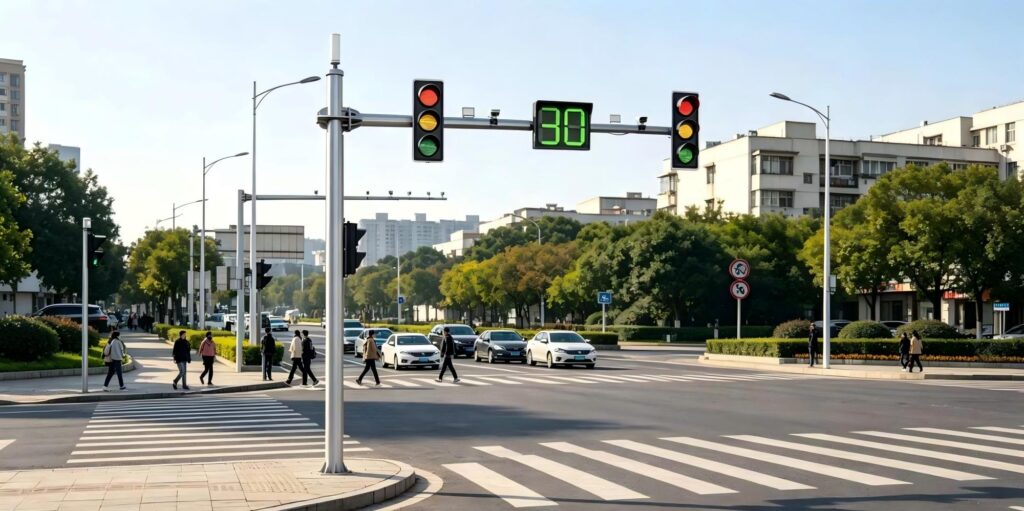
High Mast and Standard Lighting Pole Configurations
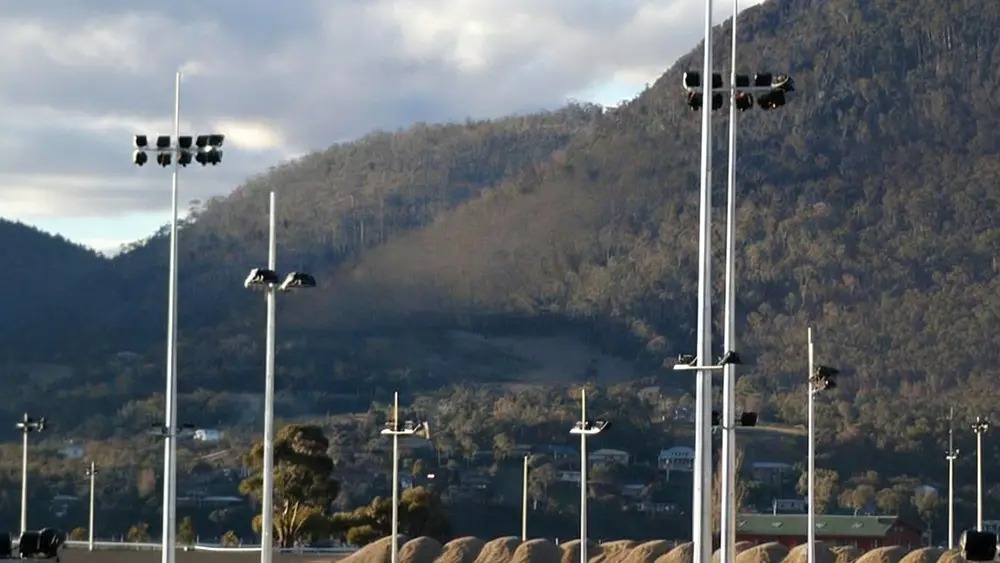
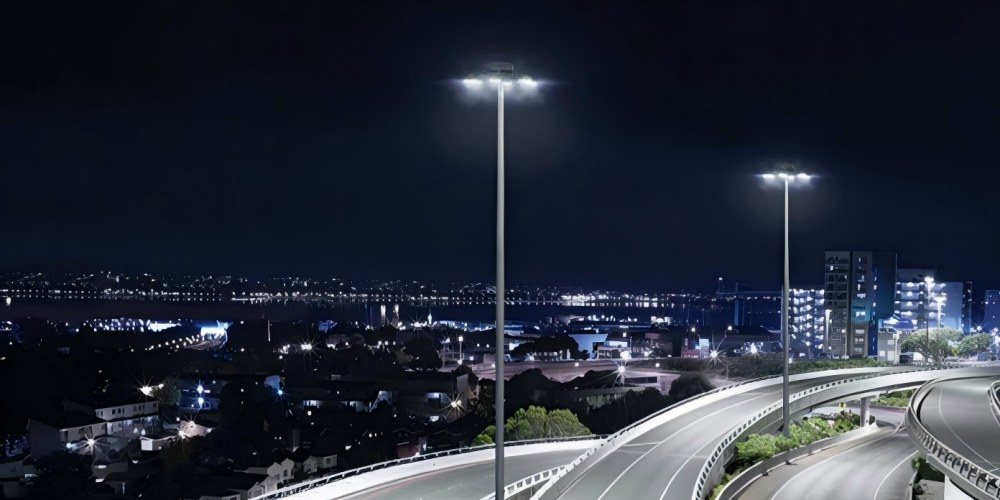
Engineers pick specific post layouts based on street width and traffic needs. Standard streetlight posts stand between 15 and 50 feet tall on normal roads. On the other hand, high mast lighting poles range from 60 to 180 feet high, spreading clear, even light over wide highway junctions and large multi-lane roads.
Every metal post layout has to pass tough international building rules. Morelux manufactures equipment to meet strict AASHTO, BS EN, MS, and AS/NZS guidelines. In addition, our skilled technical team gives complete support throughout the whole building process. Clients get custom layout plans, wind force checks, and physical strength reports for every order.
Pole Height and Mounting Options for Different Roads
Choosing the right size means balancing street layouts, local wind speeds, and top hardware. Mounted parts like light fixtures and traffic signs increase the total Effective Projected Area. Taller posts face much stronger bending forces from long lever arms in powerful windstorms.
| Configuration Aspect | High-Mast Lighting | Conventional Streetlight Pole |
|---|---|---|
| Height Range | 18 to 55 meters | 4.5 to 15.2 meters |
| Setback Distance | Varies by interchange layout | Typically 1 to 2 feet from curb |
| Typical Spacing | Wide area coverage | 3 to 4.5 times pole height |
Setup angles directly affect driver sightlines and overall road safety. Workers set up posts 1 to 2 feet back from the road curb line. Support arm angles stay under 15 degrees to stop bright light blinding drivers. Also, regular post distance measures 3 to 4.5 times the overall post height.
Foundation Design and Installation Requirements
Base planning keeps highway equipment safe from severe wind damage. Concrete bases must stop heavy tipping forces coming from the bottom metal plate. Designers test ground soil strength and study local storm records before making final base sizes.
Anchor bolt patterns fasten the bottom metal rim straight onto the strong concrete pad. Exact placement keeps the frame from moving during heavy traffic shaking. Morelux calculates precise bolt tightness and base strength needs to guarantee lasting safety on busy roads.
Our Custom Steel Pole Solutions for Highways & Roadways
Customized Designs Based on Project Requirements
Morelux builds custom support frames for modern highway and roadway networks globally. These highway supports are the top choice for public roads because they handle heavy weights, use standard sizes, and fit most light fixtures. Factory workers make these products with high-strength structural steel, like ASTM A572 Grade 50 metal. This tough material easily handles heavy loads on busy roads. Factory engineers change every steel Pole plan to match unique project needs and weight limits. Road agencies can order special post widths, wall thickness, arm lengths, and base plate setups. Normal options include eight-sided shapes and adjustable height choices from 3 to 15 meters. Custom factory building cuts down on extra site fixes during construction work.
Morelux engineering groups offer full project help to simplify local roadside layout planning. Technical design services cover clear CAD plans, exact 3D models, and accurate wind load math. Our modern design method uses modular building ideas. Modular layouts make later technology add-ons easy, like 5G gear, without replacing the main post frame. For metal protection, factory workers use hot-dip galvanizing per ASTM A123 alongside smooth powder paint. This double-layer coating shields parts from bad weather over many years. This building style keeps a uniform look along long highway lanes.
| Feature Category | Specific Design |
|---|---|
| Pole Type | 22-foot round tapered steel pole |
| Arm Design | One-piece custom decorative arm |
| Safety Feature | Federal Highway Administration (FHWA) approved breakaway couplings |
| Aesthetic Feature | Dark platinum paint finish to match local architecture |
Setup teams get matching anchor bolts and sizing patterns with every post delivery. These extra parts help align the main post correctly on base pads along busy roads. Custom frame choices help road builders follow strict traffic rules while keeping posts working safely for decades.
Frequently Asked Questions About Highway Pole Solutions
What Types of Steel Poles Are Used on Highways?
Road projects use different post designs depending on location needs. Tall high-mast towers cover big highway interchanges and open road areas where spreading wide light matters most.
Normal road lanes and bridge passes often use tapered round posts. These light frames carry very heavy loads easily. Zinc-coated steel posts offer 25 to 35 years of dependable service along busy roads.
What Is the Difference Between Lighting and Signal Poles?
Light posts hold small lamp heads and deal with lighter weight demands. Simple ground-burial methods work fine for light posts, needing underground depths equal to 10 percent of post height plus two extra feet.
Traffic signal posts hold heavy mixed gear, including signal lights, overhead cameras, and long support arms reaching 30 to 70 feet. Because of this, signal posts need thicker base plates, larger concrete footings, and full AASHTO approval for 90 mph storm winds.
Why Are Steel Poles Suitable for Roadway Projects?
Steel gives outstanding physical strength for everyday highway equipment. High strength ratings between 250 and 450 MPa let builders craft tall posts with thin metal walls that still support heavy weights easily.
Also, steel resists metal fatigue and sudden crashes caused by constant traffic shakes. Steady metal strength through extreme weather keeps these posts working safely during all four seasons.
How Do Highway Poles Handle Wind and Weather Conditions?
Design teams use round hollow shapes to boost twisting strength and stop bending during strong storms. Smooth outer shapes cut down wind drag and stop shaky wind-driven vibrations.
Shielding finishes like hot-dip zinc coating protect metal from road salts and seaside rust. Exact bottom welds and small drain holes stop trapped water and lower metal stress at major support points.
Can Steel Poles Be Customized for Transportation Projects?
Modern transit projects often need custom post designs for different setup plans. Factory teams adjust post heights, wall thicknesses, arm directions, and base bolt layouts to match clear project blueprints.
Engineers supply round, square, or eight-sided tapered posts covered with safe outer coatings. Technical teams tweak post plans to build lighter steel Pole choices that follow all official ASTM and AASHTO guidelines.
Strong steel posts offer highway systems incredible long-term savings. High metal strength and shielding zinc layers lower regular roadside repair bills across many decades of service. Morelux supplies custom hardware around the world using over 15 years of technical expertise. Our modern 45,000 m² plant manufactures road equipment that satisfies strict AASHTO, BS EN, AS/NZS, and MS rules. Road builders gain high safety levels from our custom steel designs. Reach out to Morelux today for layout plans, wind force checks, and physical strength reports for your next highway project.