Street light poles usually go through customs under one of two HS code groups. Code 7308.90 covers steel structures and parts of structures. Code 9405.40 covers electric lamps and lighting fittings. Both show up in real shipments, and both are correct for the right product.
The right choice depends on three things. Material matters first, since steel and aluminum poles can fall under different headings. Voltage matters next, because solar and low-voltage units often move toward lighting equipment. Completeness matters most, since a bare pole and a fully put-together light unit are classified differently.
This post explains how to pick the right code for your pole and how to confirm it before shipping.
Key Takeaways
- Most street light poles are grouped under HS code 7308.90 for steel structures, or 9405.40 for complete lighting units.
- The material, voltage, and completeness of your pole determine its correct HS code.
- Tell customs exactly what is in your shipment, just as it is packed, to avoid delays at customs.
- Ask your local customs office to check the HS code before you import.
- Make sure all documents match each other to help customs clearance go smoothly.
What Determines the HS Code for Street Light Poles?
Customs officers do not classify a pole by its name. They classify it by what it is made of, how it is built, and what it does. Three product features drive the decision most often: material, structure, and completeness. Each one can move a shipment from one heading to another.
Why Pole Material and Product Design Affect HS Classification
Heading 7308.90 covers structures and parts of structures of iron or steel. A hot-dip galvanized steel pole fits this heading well. Tapered, octagonal, round, and tubular designs all fall inside it. The surface treatment does not change the heading. Galvanizing, powder coating, and duplex coating protect the steel, yet the pole remains a steel structure.
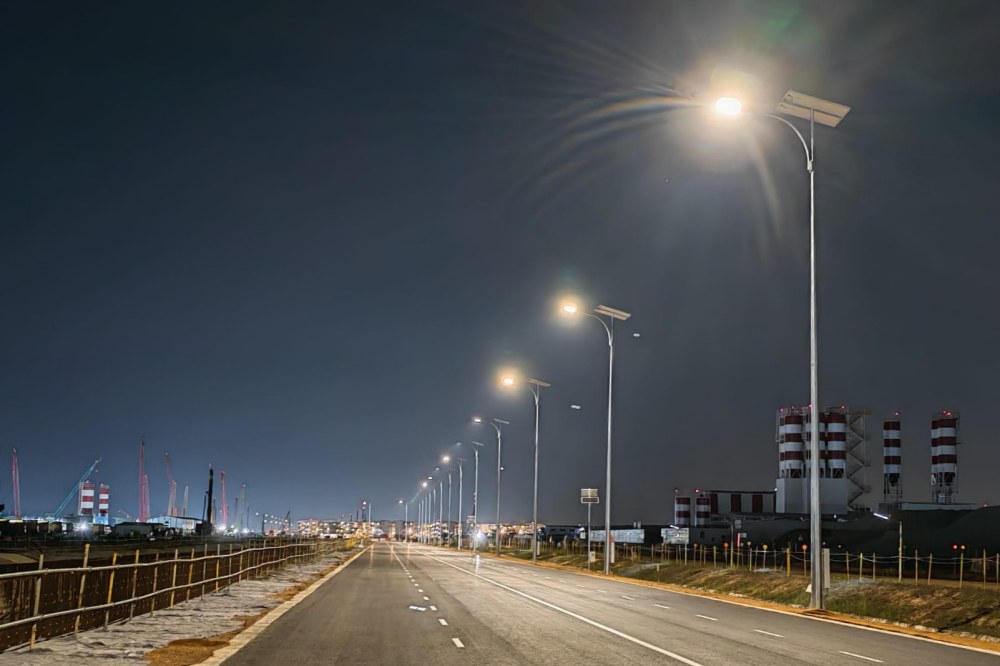
Heading 9405.40 covers electric lamps and lighting fittings. A pole sold as a complete lighting unit fits this heading. Solar street lights often land here. The pole carries the panel, the battery, and the lamp, so customs sees a working light, not a bare mast.
Import data also shows 85369030 for street lighting poles with some regularity. This code appears often enough that buyers should know it exists. The scenario section below explains when it comes up.
How Pole Structure and Intended Use Influence Tariff Codes
Structure separates the two main headings. A bare pole with a welded base plate is a structure. A pole shipped with a mounted LED fixture is a lighting fitting. The base plate alone does not change the heading. The presence of the lamp does.
Intended use matters too. A pole built to carry a traffic signal or a CCTV camera serves infrastructure, not lighting. A pole built to hold a luminaire serves lighting. Customs reads the product description and the drawings to judge intent.
Voltage adds a third layer. Low-voltage and solar-powered units often shift toward lighting equipment headings. A grid-connected steel mast with no electrical parts stays in the structural group.
These factors interact. A galvanized octagonal pole with a welded base and no lamp is a steel structure. The same pole with a solar lamp, panel, and battery becomes a lighting unit. Buyers should describe the shipment exactly as it ships, because the HS code follows the product, not the catalog page.
Which HS Codes May Apply to Steel Street Light Poles?
When Heading 7308 Applies to Iron and Steel Pole Structures
Heading 7308 is the home for iron and steel structures and parts of structures. A galvanized street light pole with a welded base plate belongs here. Tapered, octagonal, round, and tubular steel poles all fit. The same holds for high mast poles and CCTV masts.
Material decides the heading first. Steel poles sit in 7308. Aluminum poles can fall under a different heading, so the metal matters before anything else. Surface treatment does not move a pole out of 7308. Hot-dip galvanizing, powder coating, and duplex coating protect the steel, yet the pole stays a steel structure.
Completeness then refines the choice. A bare structural pole is one product. A pole with a welded base is still a structure. A pole shipped with a mounted lamp is a different product, and customs treats it that way.
How to Distinguish Structural Poles From Lighting Components
The dividing line is simple. Does the shipment include a working light? A pole alone carries no lamp, no driver, and no wiring. Customs reads it as a structure under 7308. A pole packed with an LED fixture, a solar panel, or a battery reads as a lighting fitting under 9405.
Voltage pushes the same way. Low-voltage and solar-powered units often shift toward lighting equipment headings. A grid-connected mast with no electrical parts stays structural.
Buyers should describe the shipment exactly as it ships. List the material, the dimensions, the voltage, and whether a lamp is included. That detail decides the HS code, and it prevents a mismatch between the invoice and the customs declaration.
How Are Complete Street Lighting Systems Classified for Import?

A complete lighting system mixes structural and electrical parts. Customs must decide which part gives the shipment its essential character. That decision produces several valid codes, and each one fits a different shipping scenario.
How Customs Distinguishes Light Poles From Complete Lighting Units
Customs starts with the invoice description and the packing list. A shipment of bare poles reads as a structure. A shipment of poles with mounted luminaires reads as a lighting fitting. The essential character test decides the heading.
Think about a 9M or 12M street light pole sent as a bare mast. This shipment usually clears under 73089090, a subheading inside 7308. The pole has no lamp, so customs sees a steel structure.
Now think about an aluminum pole with a welded base, shipped as a spare part for a lighting assembly. This product often clears under 9405.99.4020, which treats it as a part of lamps and light fittings. The welded base and the job as a lighting component drive the choice.
A third scenario involves the lamp itself. LED street light fixtures commonly clear under 8539.52. The fixture is the light source, not the mast, so the structural headings do not apply.
Import data also shows 85369030 used often for street lighting poles. This code appears in real declarations, and it shows how some customs systems group these products.
The table below maps each scenario to its code.
| Scenario | Common Code |
|---|---|
| 9M and 12M steel poles exported as bare masts | 73089090 |
| Aluminum pole with welded base, part of a lighting assembly | 9405.99.4020 |
| LED street light fixtures | 8539.52 |
| Street lighting poles per import data | 85369030 |
No single row wins. Each code fits the product as declared, and the shipment details decide which row applies.
How LED Fixtures and Pole Accessories Affect HS Classification
Accessories change the HS code because they change what the product is. A pole alone is a structure. A pole with a mounted LED fixture becomes a lighting unit. A pole with a solar panel, battery, and controller moves further toward lighting equipment.
Brackets, arm mounts, and anchor bolts usually follow the pole. They are parts of the structure, so they stay with the pole’s heading. A separately packed LED driver or lamp follows the lighting heading instead.
Buyers should split mixed shipments on the commercial invoice. List poles, fixtures, and accessories as separate line items with their own descriptions. This practice lets customs assign a code to each item and avoids one blurred classification for the whole container.
Voltage also matters here. Low-voltage and solar-powered systems often shift toward lighting equipment headings. Grid-connected masts with no electrical parts stay structural.
The safest approach is to describe every component exactly as it ships. State the material, the dimensions, the voltage, and whether a lamp is included. Clear descriptions lead to a correct code and a smooth clearance.
Do Street Light Pole HS Codes Differ Between Countries?
The six-digit HS system is used around the world. Most countries then add their own extra digits on top. The same steel pole can have a different full code at two different ports. The first six digits usually stay the same. The digits after them come from each country’s own tariff schedule, so a code that works well in one market may need a change in another.
How National Tariff Codes Extend the International HS System
The World Customs Organization keeps the six-digit core. Each country builds its own tariff schedule on that base. A country may split one international subheading into several national lines. Those lines can show local duty rates, import rules, or statistical needs.
That is why a supplier’s code is a starting point, not a final answer. A pole classified under 7308.90 at the six-digit level may fall under a longer national code in the destination country. The extra digits do not change what the pole is. They change how the importing country tracks and taxes it.
Why Importers Should Verify Local Customs Classification Rules
Checking the code protects the shipment. A wrong code can cause delays, extra duty, or penalties at clearance. Importers should confirm the code with their local customs authority before the container leaves.
A binding ruling is one strong option. In the United States, importers file under 19 CFR Part 177. A ruling locks CBP into one HTS classification at every port of entry. It also supports the reasonable care defense under 19 USC 1484. Processing usually takes 30 to 120 days, so timing matters.
Before filing, search CBP’s Customs Rulings Online Search System (CROSS) at rulings.cbp.gov for similar goods. An existing ruling may already answer the question. A licensed customs broker can also review the product specs: material, dimensions, voltage, and whether a lamp is included. These details decide the HS code, so get them ready early.
What Documents Help Determine the Correct Street Light Pole HS Code?
Customs officers depend on paperwork just as much as on the product itself. Clear documents show what the pole is made of, how it is built, and what it includes. Weak documents make officers guess, and a guess rarely helps the importer.
How Product Drawings and Material Specifications Support Classification
Engineering drawings hold the details that decide classification. A drawing shows the pole shape, the base plate, the arm setup, and the wall thickness. It also shows whether a lamp, bracket, or solar panel is part of the assembly. These details separate a bare structure from a complete lighting unit.
Material specifications finish the picture. A mill certificate or material test report names the steel grade and confirms the metal used. Customs can then match the product to the right heading with confidence. A galvanized finish noted on the spec sheet also confirms the pole stays a steel structure, since coating does not change the heading.
Why Invoices and Product Descriptions Must Match Export Documents
The commercial invoice, packing list, and bill of lading must tell one consistent story. The invoice description should state the material, dimensions, voltage, and whether a lamp is included. The packing list should list poles, fixtures, and accessories as separate line items. The bill of lading should use the same product wording.
A mismatch invites scrutiny. If the invoice says “lighting fitting” but the drawing shows a bare mast, customs may hold the shipment for review. Consistent wording across all documents supports one clear classification and speeds clearance.
Keep every document aligned with the physical shipment. One product description, repeated across all papers, is the strongest support for a correct classification.
How Can Buyers Verify Street Light Pole HS Codes Before Importing?
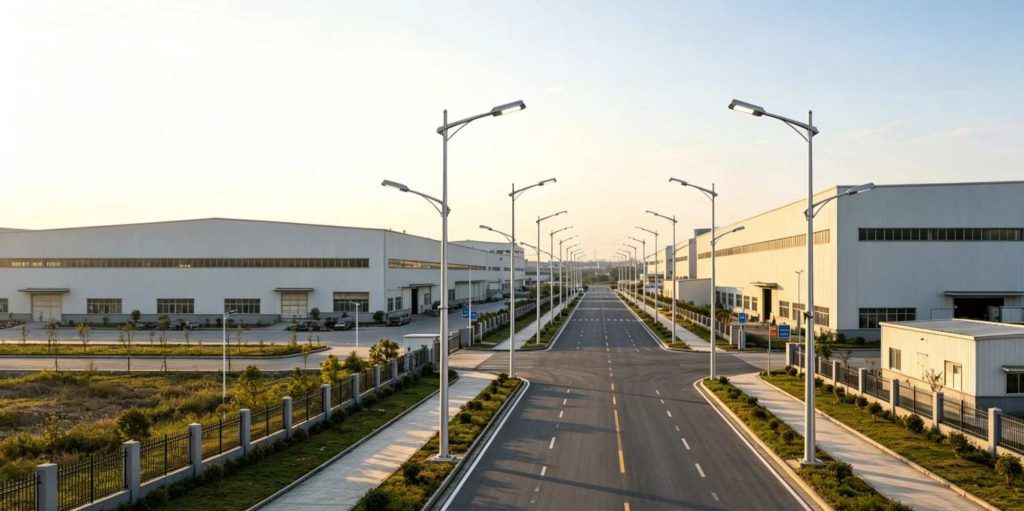
Checking the code starts before the container leaves the factory. A buyer who confirms the classification early avoids duty surprises, clearance delays, and penalty exposure at the destination port.
Which Product Details Should Buyers Confirm With Customs Brokers?
A broker needs the full technical picture, not just a product name. Buyers should give the pole material, the dimensions, the voltage, and a clear statement of whether a lamp ships with the pole. Solar units need extra detail: panel type, battery capacity, and wattage all help the broker match the goods to the right heading.
Country extensions matter as much as the core digits. The international line 9405.40 covers electrical lighting equipment, including solar-powered street lights. The United States applies 9405.40.6000, China applies 9405.40.0000, and India applies 9405.40.10. The first six digits stay the same everywhere, yet each national extension sets the actual duty and compliance treatment.
Buyers should also cross-check supporting papers. Certificates of origin and conformity must carry the same code as the invoice. One inconsistent document invites scrutiny.
How Advance Classification Rulings Help Reduce Import Risks
An advance ruling settles the question before shipment. The importer gets written confirmation of the classification from the customs authority, and that decision then guides every future entry of the same product.
The protection covers several risks at once. Correct classification applies the proper tariff rate, so the buyer neither overpays nor faces penalties for underpayment. Properly classified goods clear faster, with fewer extended inspections. Accurate codes also confirm the product meets trade, safety, and environmental rules in both countries. A verified code even serves as a credible reference point if a tariff dispute arises later. Buyers who plan ahead can also capture reduced duties under preferential trade agreements.
The practical sequence is straightforward. Check the importing country’s official tariff schedule, match the description to the pole’s real specifications, and confirm the documents agree. A broker experienced in renewable energy classification closes any remaining doubt.
Our Steel Street Light Pole Manufacturing and Export Support
How MORELUX Provides Steel Pole Specifications for Customs Review
With over 15 years of industry experience, MORELUX manufactures steel street light poles in its 45,000 m² facility, supported by more than 200 engineers.
Each custom order includes specification sheets covering steel grade, pole shape, wall thickness, and surface treatment. Drawings and specifications help customs teams identify the product accurately. MORELUX also clarifies whether lamps, brackets, or solar panels are included, as these components may affect HS code classification.
How Product Drawings and Export Documents Support Global Shipments
MORELUX provides engineering drawings, structural calculations, and wind load analysis to support project requirements. Documents show key details such as base plates, arm configurations, and anchor bolt layouts.
Commercial invoices, packing lists, and bills of lading use consistent product descriptions to support customs clearance. With exports to over 30 countries and more than 150 pole projects completed annually, MORELUX supports international contractors and distributors with export documentation and technical coordination.
Steel structures are commonly classified under HS code 7308.90, while complete lighting units may fall under 9405.40. Other codes can apply depending on the product’s material, components, and configuration. Always confirm the correct classification with your customs authority or a qualified trade professional before shipment to help avoid clearance delays and unexpected duties.
Frequently Asked Questions About Street Light Pole HS Codes
What Is the HS Code for Steel Street Light Poles?
Steel street light poles are commonly classified under HS code 7308.90 as other structures and parts of structures of iron or steel. However, the final code may vary by country and product configuration. The classification generally applies to the steel pole supplied as a structural component rather than a complete lighting unit.
Is HS Code 730890 Used for All Street Light Poles?
No. HS code 7308.90 mainly applies to qualifying iron or steel structures. Aluminum poles, complete lighting equipment, and poles supplied with additional components may fall under different tariff headings. The material, function, and condition of the imported product all matter.
Do Solar Street Light Poles Have a Different HS Code?
Not necessarily. A solar street light pole supplied as a steel support structure may still qualify under heading 7308. However, an integrated solar lighting system containing panels, batteries, controllers, and LED fixtures may require a different classification depending on how it is imported and assessed by customs. MORELUX manufactures solar pole structures designed to support these components.
Does the HS Code Change When LED Fixtures Are Included?
It can. A bare steel pole with mounting brackets is generally assessed as a steel structure, while a complete lighting unit with LED fixtures may be classified under heading 9405. The distinction depends on the product’s completeness and essential function. Confirm the applicable tariff code with the importing country’s customs authority before shipment.