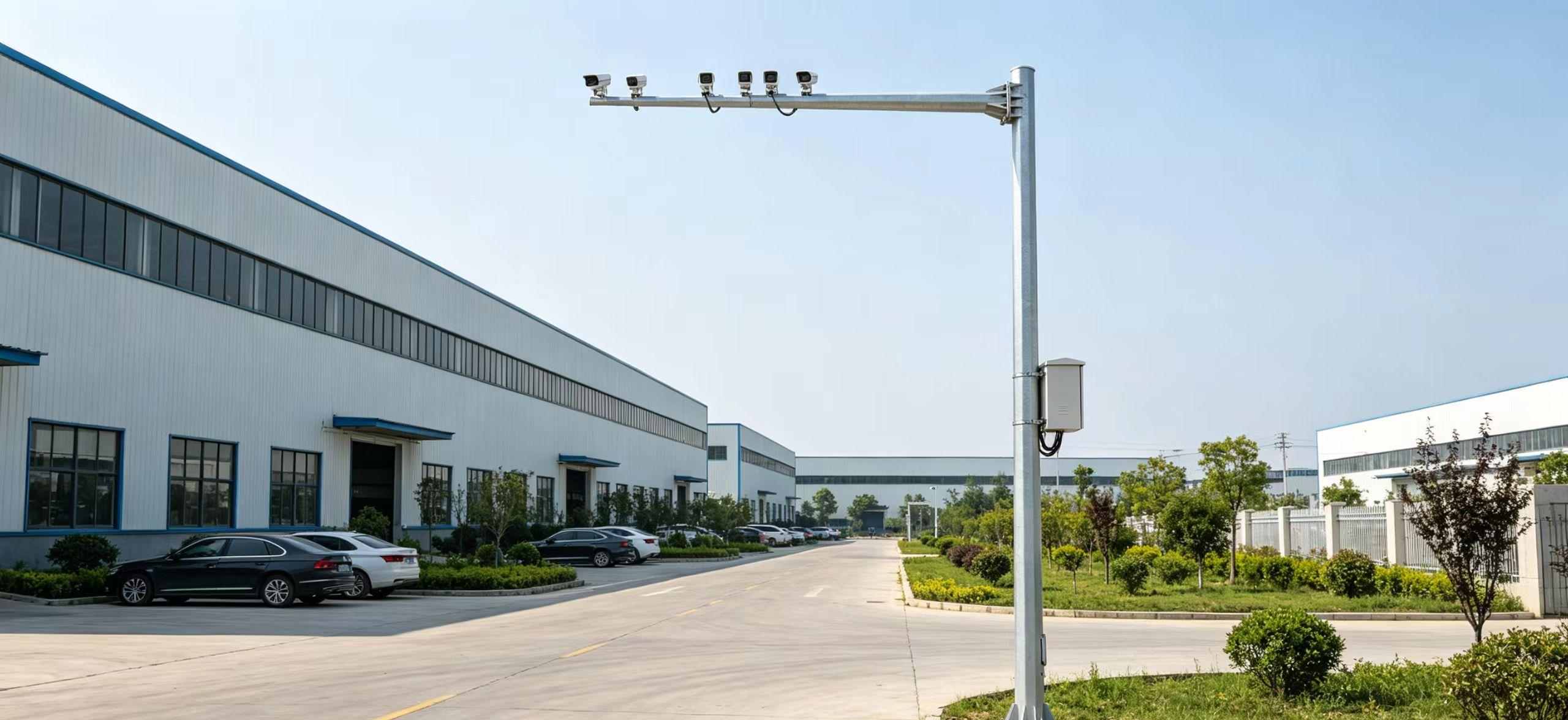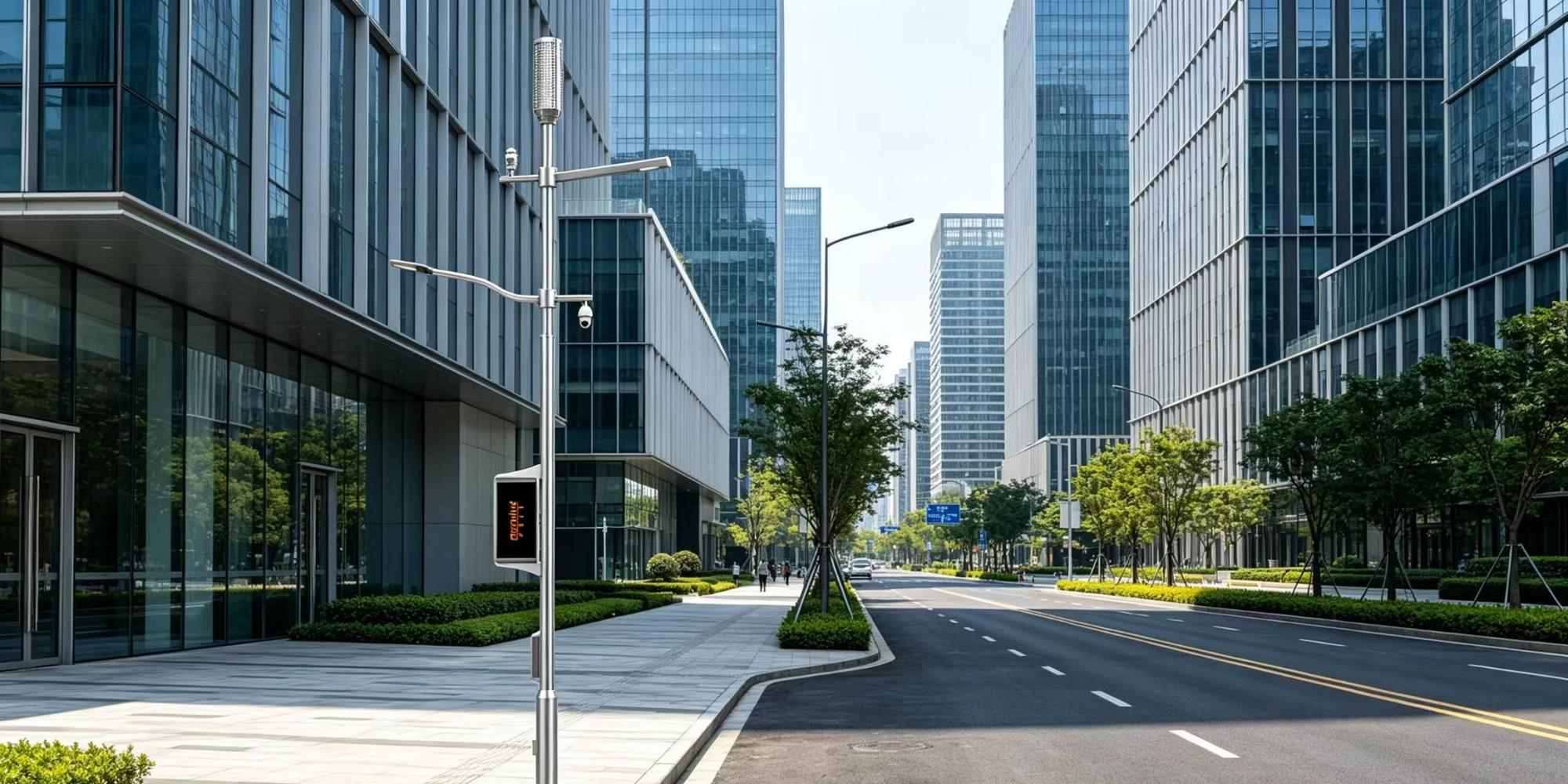
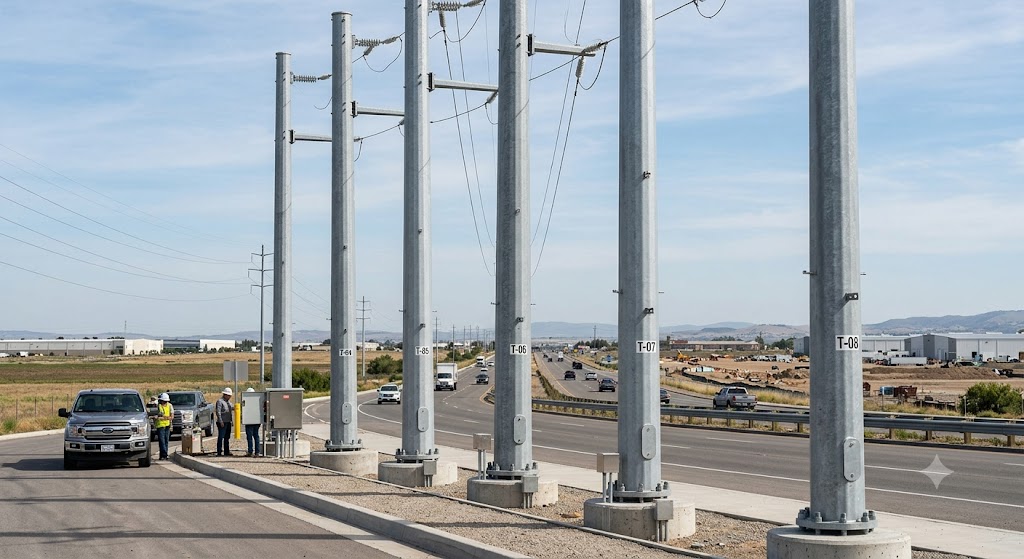
Galvanized steel poles resist rust very well, yet they are not rust-proof. A zinc coating shields the steel. This layer slows corrosion for many years. Rust can still appear under certain conditions. Moisture, salt, and coating damage all play a part. Time matters too. Some posts last decades. Others fail much sooner. The difference comes down to coating quality, site conditions, and care during installation. This article explains when rust happens, why it happens, and how long a galvanized steel pole can last. You will learn the warning signs and the simple steps that extend service life.
Key Takeaways
- Galvanized steel posts resist rust because a zinc coating blocks moisture and oxygen.
- Rust shows up only after the zinc coating wears off or gets damaged.
- Posts with thicker zinc coatings last longer, and so do posts in milder environments.
- Look at your posts often for damage. Fix bare spots early.
- Good drainage and proper installation keep water from making rust happen faster.
How Galvanized Steel Posts Resist Rust Through Zinc Protection
Galvanization puts a zinc coating over steel. This layer stops rust much longer than bare steel would on its own. The zinc works in two ways. It acts as a physical barrier. It also gives electrochemical defense. Both methods work together to make a galvanized steel pole last longer.
How Zinc Coatings Protect Steel From Moisture and Oxygen
The zinc coating forms a physical layer. This layer keeps the steel apart from the world around it. Oxygen and moisture cannot get to the steel surface. As a result, the chance of corrosion goes down.
- Barrier protection: The zinc layer physically blocks oxygen and moisture from touching the steel.
- Protective patina: As zinc corrodes, it forms stable products such as zinc carbonate. These products slow further breakdown and create a protective patina.
This patina adds another layer of defense. It extends protection well past the first coating.
Why Zinc Provides Sacrificial Protection When Steel Is Exposed
Zinc is more reactive than steel. When a scratch uncovers bare steel, the zinc around it becomes the anode. The exposed steel becomes the cathode. Corrosion happens at the zinc instead of the steel. The zinc gives itself up to protect the steel where it is exposed.
The primary mechanism relies on the redox hierarchy between zinc and iron: zinc preferentially corrodes, serving as a sacrificial anode that protects the steel substrate even when the coating is damaged.
This electrochemical process is called cathodic protection. It is a key advantage of galvanizing over coatings that only block, like paint. Small surface damage from installation does not cause rust right away. The zinc keeps protecting the exposed steel.
Morelux makes custom galvanized steel poles for wholesale and supply. These poles are tested to international standards such as BS EN, AASHTO, AS/NZS, and MS. This ensures reliable zinc protection across many project conditions.
Can Galvanized Steel Posts Eventually Develop Rust or Corrosion?
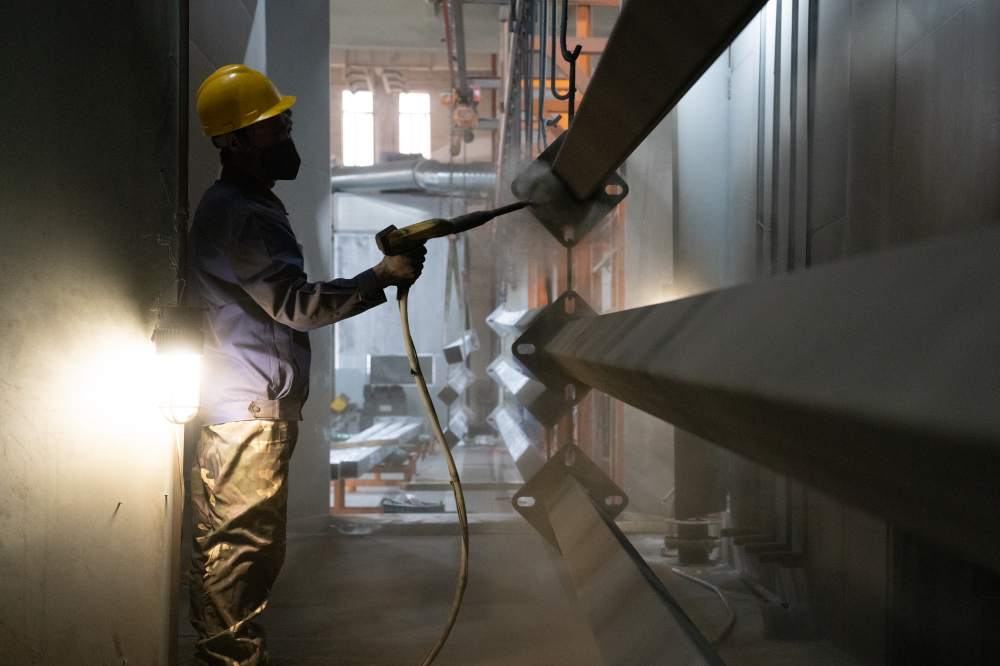
Rust shows up on a galvanized steel pole only when the zinc coating is used up or damaged. The zinc layer is limited. It wears away slowly over time. Once the zinc is gone at a spot, bare steel is exposed. Red rust can then start. This usually takes many years. Poor coating quality or harsh site conditions can make it happen faster.
A new post that shows rust right after delivery is a different story. Fresh galvanizing should arrive clean and even. Visible rust at this stage often means the coating was damaged during handling or storage. It may also mean the galvanizing at the plant was not good enough. Buyers should check deliveries and raise concerns early.
One common question is about posts set into concrete. A steel post fully embedded in concrete is unlikely to rust at the embedded section. Concrete limits oxygen access. Rust needs oxygen to move forward. With no oxygen available, the corrosion reaction cannot happen. The exposed section above ground still depends on its zinc coating for protection.
Why White Rust and Red Rust Form on Galvanized Steel Posts
White rust is zinc hydroxide and zinc oxide forming on the zinc coating itself. It usually appears when moisture stays trapped on freshly galvanized surfaces. There are several common causes:
- No passivation after quenching, leaving zinc without temporary protection during its most vulnerable weeks.
- Tight stacking without spacers, where capillary action pulls water into face-to-face gaps and holds it there.
- Incomplete drying before packing, which seals moisture in with the goods.
- Condensation inside transit packaging, especially with unventilated plastic wrap.
- An exhausted or contaminated passivation bath that has dropped below its effective range.
Pure water reacts easily with zinc. Rain, dew, and condensation trapped in a low-oxygen setting slowly corrode the coating. Thin zinc layers, contaminated passivates, and galvanic contact with dissimilar metals at joints can speed this up. Red rust forms once the zinc layer is used up and bare steel is exposed.
How to Distinguish Surface Oxidation From Serious Steel Corrosion
Brown staining and true red rust can look almost the same. They point to opposite conditions. Red rust means the base steel is actively corroding. Brown staining means zinc is still there and still protecting the steel. Color alone is not reliable under changing lighting, so instrumental checks matter.
| Observation | Likely Cause | Recommended Action |
|---|---|---|
| White or gray powder on bundled steel | Wet storage stain | Evaluate a test area and accept |
| Brown or orange streaks that wipe away | Rust transfer or surface contamination | Evaluate a test area and accept |
| Localized red rust at damaged areas | Exposed steel from coating damage | Repair per ASTM A780 |
| Rust-colored bleeding from lap joints | Trapped moisture in crevices | Clean, investigate, seal |
| Widespread red rust with pitting | Significant coating loss | Evaluate for repair or replacement |
A practical check starts with wiping the surface to see whether discoloration sits on the coating or comes through it. Inspect cut edges, welds, and holes for gouges or bare spots. A magnetic coating thickness gauge then confirms remaining zinc. A near-zero reading at a discolored spot means coating loss and exposed steel. A confirmed zinc reading beneath the stain proves it is only cosmetic.
Key Factors That Affect the Rust Resistance of Galvanized Steel Posts
Two things decide most of the outcome. One is how much zinc sits on the steel. The other is how harsh the site is. A thick coating in mild air can outlast a thin coating in marine air by a wide margin.
How Zinc Coating Thickness Influences Galvanized Post Service Life
Zinc wears away at a fairly steady rate in a given environment. So service life tracks coating thickness almost directly: estimated service life equals zinc coating thickness divided by the average zinc corrosion rate. A thicker layer simply takes longer to use up.
In a C3 suburban setting, where the zinc corrosion rate is about 0.040 mils per year, a 2 mil coating gives roughly 50 years and a 4 mil coating gives roughly 100 years. Each additional 2 mils adds about 50 years at that rate.
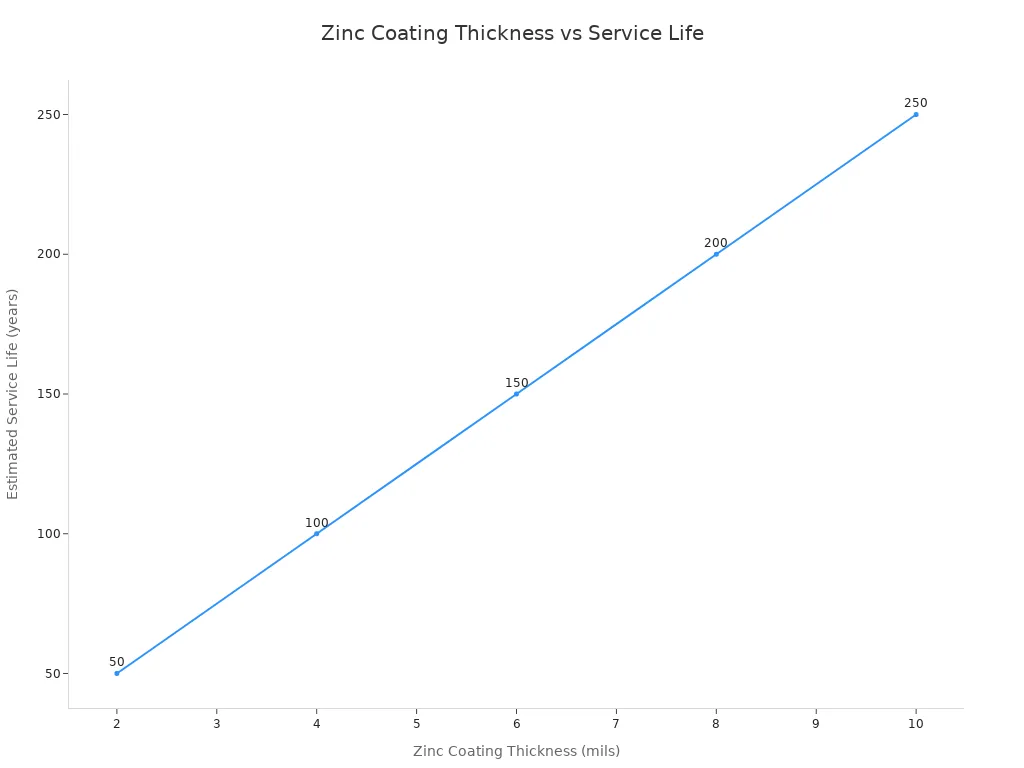
This is why a galvanized steel pole normally rusts only after many years or decades of service. The zinc layer provides high corrosion resistance for most of that span. Hot-dip galvanizing produces thicker, denser coatings than other methods, which pushes the timeline further out. Morelux, a custom steel pole manufacturer and supplier, controls coating thickness through in-house processing and testing to BS EN, AASHTO, AS/NZS, and MS standards.
How Coastal Salt, Humidity, and Industrial Pollution Affect Corrosion
Environment sets the corrosion rate. The ISO corrosivity scale runs from C1 (dry interior, lowest rate, longest life) to C5 (highly corrosive industrial or marine, highest rate, shortest life). Moving up that scale shortens service life for any given coating thickness.
Corrosion occurs when metals react with environmental elements like moisture, oxygen, salt, and pollutants; coastal regions expose metals to salt spray, while industrial areas introduce sulfur compounds and acidic pollutants.
The mechanisms differ by setting:
- Coastal salt (chlorides): Sea spray chlorides turn the protective zinc patina into soluble zinc chlorides. Rain washes these away and fresh zinc is exposed to further attack.
- Humidity: Wet and dry cycles build the protective patina. Constant high humidity, especially with chlorides in tropical marine air, raises corrosion activity to near-industrial levels.
- Industrial pollution: Sulfides and phosphates in emissions eat away the coating steadily. Industrial air is generally the most aggressive for corrosion.
No single factor dominates. Temperature, humidity, rainfall, sulfur dioxide concentration, and air salinity all contribute to zinc loss.
Common Areas Where Galvanized Steel Posts Are Most Likely to Rust
Most corrosion on a galvanized steel pole starts at a few spots you can predict. These are places where the zinc coating is thin, damaged, or stays wet. Knowing them helps you check and protect the post before problems get worse.
A galvanized steel fence post tends to corrode little by little at the ground line. It loses strength until a section of fence leans or falls after a strong wind it once could handle.
Why Cut Edges, Welds, and Scratched Coatings Need Extra Attention
Cut edges and welds break the unbroken zinc layer. A sheared edge with a bare steel band narrower than the material thickness, usually under 1/4 in, needs no touch-up. The zinc around it protects the exposed steel by itself. Wider bare areas, thick cut sections, or critical-corrosion jobs need a zinc-rich cold galvanizing compound, not regular paint.
| Situation | Recommended treatment |
|---|---|
| Sheared edge with bare band under 1/4 in | No touch-up needed; surrounding zinc protects the steel |
| Wide bare area, thick cut section, or critical application | Apply zinc-rich cold galvanizing compound to restore sacrificial zinc |
Welding burns off zinc near the joint. Grind back the coating before welding to cut toxic fume and prevent porosity. Use good airflow, then fix the burned seam with zinc paste or re-galvanizing. Mechanical fasteners skip the fume hazard and the repair step entirely.
For minor scratches, clean the area and apply a zinc-rich primer or cold galvanizing spray. Brush off any white rust first, then apply zinc-rich paint to the exposed spot. Severe or widespread damage means replacement or re-galvanizing.
How Soil Contact, Standing Water, and Crevices Increase Corrosion Risk
Wet soil speeds corrosion, while soil that drains well slows it down. Shifting groundwater and freeze-thaw cycles raise the risk even more. Improve drainage around buried steel, pick enough zinc thickness, and use barrier coatings where soil is harsh.
Standing water and tight crevices trap moisture and debris. Drill weep holes in the bottom of hollow supports so trapped water can drain out. Water-resistant sealants keep water out of crevices. These simple steps limit the wet conditions that start corrosion.
Galvanized Steel Post Maintenance and Rust Prevention Practices
Galvanized posts are a good choice for fence lines, highway guardrail systems, utility structures, and other infrastructure work. These settings reward a product that needs little attention for decades. A short, regular routine keeps that advantage intact.
| Frequency | Recommended Practice |
|---|---|
| Monthly | Walk the line and check for rust spots, coating chips, loose hardware, plants touching the posts, and water pooling at post bases. |
| Quarterly | Clean with a garden hose, soft brush, and mild detergent. Rinse, let it air-dry fully, and clear debris from around each post. |
| Seasonal | Rinse road salt in winter, trim plants in summer, and remove leaves that trap moisture in fall. |
How Regular Inspections Help Identify Early Signs of Corrosion
A field inspection has one main goal: estimate how many years remain before the coating needs touch-up. A magnetic thickness gauge answers that question. Take readings at spots prone to corrosion and compare them against the AGA Time to First Maintenance Chart.
Watch for specific warning signs. Water seeping into crevices, joints, and fastener sections creates anodic and cathodic zones that drive corrosion. Check contact points between galvanized steel and other metals, since zinc sits high on the galvanic series and corrodes first. Flat surfaces and drain holes collect water. Areas touched up before often corrode faster than the surrounding coating. Brown staining alone is not proof of failure. Iron in the zinc-iron alloy layers oxidizes and discolors the surface, so confirm with a gauge. If coating thickness remains, the stain is cosmetic.
When Damaged Zinc Coatings Need Repair or Professional Assessment
Repair thresholds follow cathodic protection distance. Research presented at Galvatech 2004 found that the maximum protection distance is slightly over 1/4 inch (7 mm) under favorable conditions, dropping to just over 1/8 inch (4 mm) once exposed steel width passes that threshold.
Scratches narrower than 1/8 inch (4 mm) in mild environments generally need no repair, while scratches wider than 1/4 inch (7 mm) always do.
Lower the threshold in coastal, marine, or industrial chemical settings, and repair every scratch that exposes bare steel. Do not assume an aged patina protects itself. Persistently dry conditions may stop cathodic protection from activating at all. When damage is uncertain before a structure enters service, consult a galvanizer or engineer.
Where salt spray or chemical exposure is severe, a powder-coated finish over the galvanized steel pole adds a second barrier. Morelux, a custom steel pole manufacturer and supplier, offers galvanized and powder-coated finishes across its lighting, infrastructure, and industrial pole range, with wholesale supply backed by testing to BS EN, AASHTO, AS/NZS, and MS standards.
A galvanized steel pole resists rust well, yet harsh conditions can wear down its zinc coating over time. Salt air, trapped moisture, and damaged coatings speed that process. Smart choices slow it down. Pick the right coating thickness for the site. Install the post with good drainage. Check it regularly and touch up bare spots early. These steps stretch service life by decades. Morelux supplies custom galvanized and powder-coated steel poles for lighting and infrastructure projects worldwide. Tell us your site conditions, and our team will recommend the right post for your project.
Frequently Asked Questions About Galvanized Steel Post Rust
Do Galvanized Steel Posts Rust Faster Near the Coast?
Yes, galvanized steel posts can corrode faster in coastal areas because salt spray and high humidity accelerate zinc coating degradation. Hot-dip galvanizing provides corrosion protection, while a duplex system combining galvanizing and powder coating offers additional protection for marine environments. Regular inspections help identify coating damage before red rust develops.
Is White Rust on a Galvanized Steel Post a Serious Problem?
White rust is a white, powdery deposit that can form when moisture remains on a galvanized steel post, especially during storage or in poorly ventilated conditions. Light white rust does not necessarily indicate coating failure, but heavy deposits may damage the zinc layer. Allow the surface to dry and assess the affected area before deciding whether treatment is needed.
Can Rusted Galvanized Steel Posts Be Repaired?
Yes, minor rust spots or localized coating damage on galvanized steel posts can often be repaired. Remove loose corrosion, clean the affected area, and apply a suitable zinc-rich repair coating according to the product instructions. If red rust, deep pitting, or significant steel loss is present, have the post professionally assessed to determine whether repair or replacement is necessary.
How Often Should Galvanized Steel Posts Be Inspected?
Inspect galvanized steel posts regularly for red rust, damaged coatings, cracks, loose bolts, and corrosion around the base, welds, and mounting connections. Annual inspections can be a useful starting point, with more frequent checks in coastal or industrial environments. MORELUX recommends routine inspection and timely coating repairs to help maintain corrosion protection and extend steel pole service life.