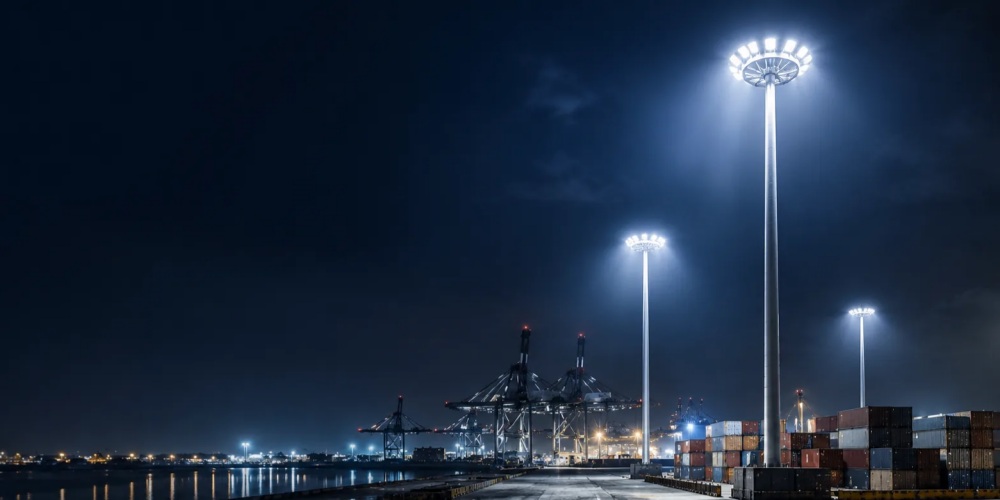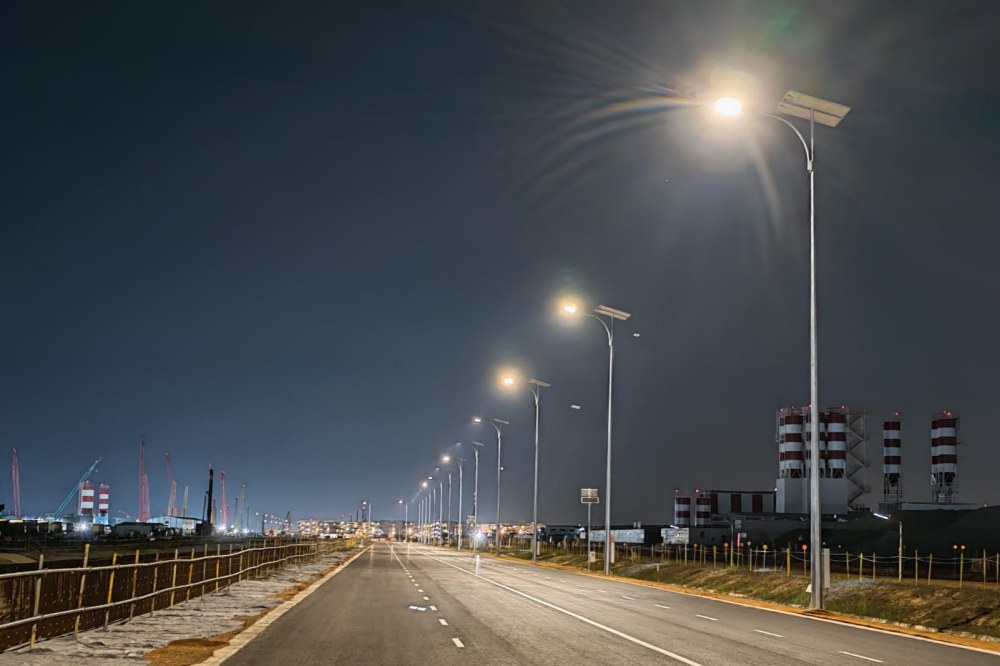
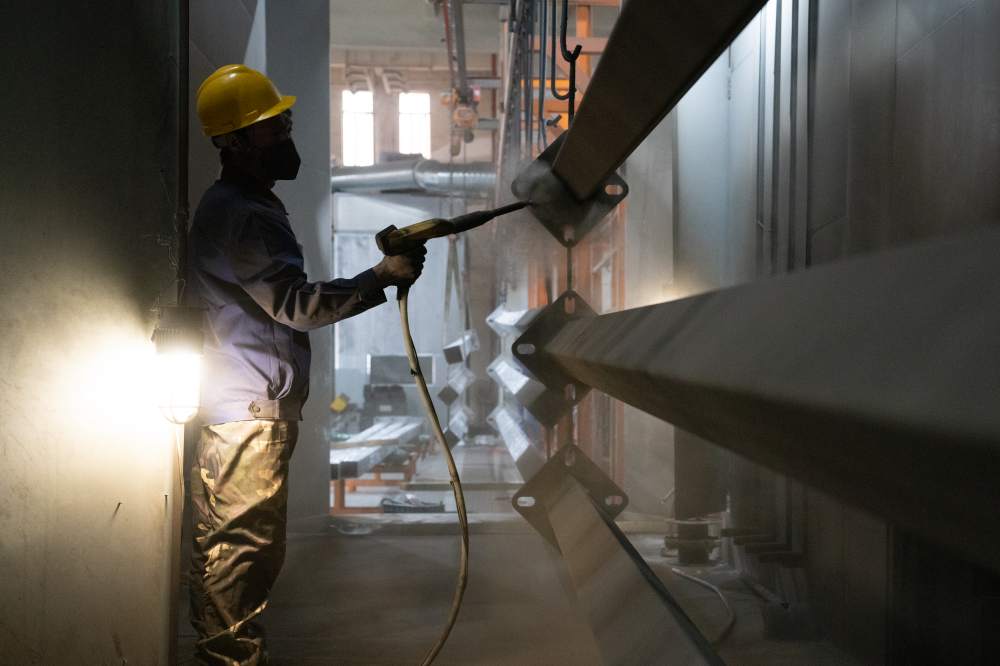
A corroded steel pole groans, then falls onto a busy highway. Traffic stops. Drivers swerve. No one is hurt, but the close call is clear. Corrosion resistance is not a maintenance afterthought. It is a key factor for public safety, structural strength, and long-term cost savings. How does corrosion damage a light pole, and what can you do to stop it? This article looks at the science of corrosion, its real-world effects, and the best materials and coatings to ensure decades of reliable performance. Knowing these factors helps you make smart choices for your infrastructure projects.
Key Takeaways
- Corrosion weakens steel poles, which can be dangerous and lead to expensive problems.
- Salt, moisture, and pollutants make rust happen faster, especially near the coast or in factory zones.
- Hot-dip galvanizing and powder coating keep poles safe from rust and harm.
- Checking poles often and fixing small scratches helps them last longer and avoids sudden problems.
- Picking good materials and coatings saves money and keeps people safe.
Why Does Corrosion Resistance Matter for Light Poles?
Corrosion starts with a simple reaction. Iron in steel meets oxygen and moisture. This forms iron oxide, or rust. The rust flakes off and exposes fresh metal. The cycle repeats until the steel weakens. Salt, humidity, and pollution make this process faster. Coastal air and road deicing chemicals are common causes. Industrial areas add more pollutants. These factors make corrosion resistance vital for any outdoor steel structure.
Structural Safety and Service Life of Steel Light Poles
A steel pole loses wall thickness as corrosion spreads. This loss reduces how much weight it can hold. A pole that once held a heavy light may fail under wind or shaking. The danger is real.
For carbon steel, a relative humidity over 80% is a risk factor for corrosion. The corrosion rate then increases exponentially with higher humidity, as the thickness of the water film increases.
Many coastal areas have humidity above 80% for long periods. This creates perfect conditions for fast corrosion. According to BS EN ISO 12944-2, the C4 corrosivity category applies to coastal areas with moderate salinity. In such places, low-carbon steel loses 50 to 80 µm of thickness in the first year. That is 0.05 to 0.08 mm per year. Over a decade, this loss becomes serious. A pole with a 3 mm wall thickness could lose 1.0 to 1.6 mm of material in 20 years. The structure becomes unsafe long before visible rust appears.
Maintenance Costs and Long-Term Value of Steel Light Poles
Corrosion also raises costs. Regular checks catch minor rust early. Touch-up painting and surface fixes are cheap. However, ignored corrosion leads to severe damage. A corroded pole may need full replacement. Emergency replacements cost much more than planned maintenance. Indirect costs include traffic delays and liability claims.
The table below shows typical corrosion rates by environment.
| Environment | Corrosion Rate (mm/year) |
|---|---|
| Coastal industrial | 0.05 – 0.10 |
| Aggressive marine exposure | 0.10+ |
In aggressive marine environments, a steel pole can lose more than 0.10 mm of wall thickness each year. Over 20 years, that exceeds 2 mm of material loss. A well-designed pole with proper corrosion protection lasts decades. A poorly protected pole may fail in half that time. The initial investment in quality coatings pays for itself through reduced maintenance and extended service life.
What Causes Corrosion in Outdoor Steel Light Poles?
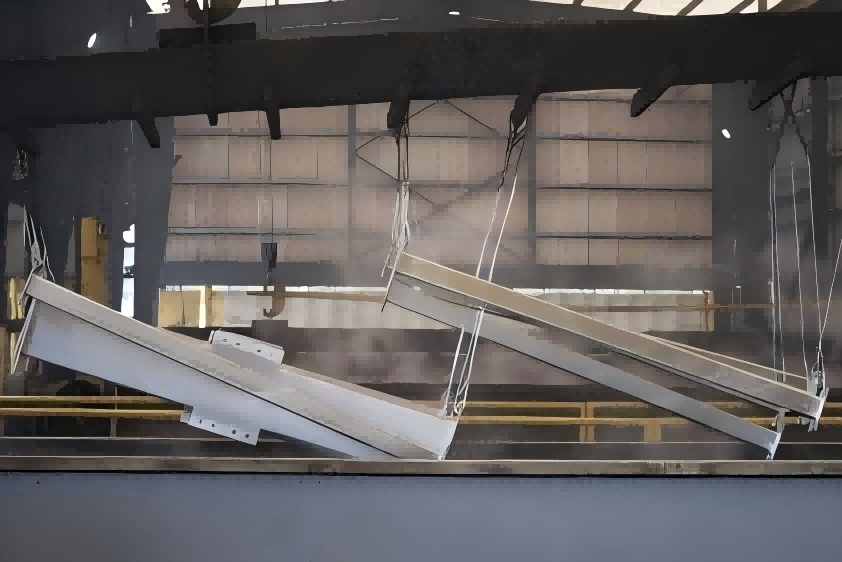
Corrosion does not attack a steel pole evenly. Different places create different dangers. Knowing these dangers helps you pick the right protection. The table below shows the top five environmental factors that speed up corrosion.
| Factor | How It Speeds Up Corrosion |
|---|---|
| Moisture | Creates the liquid needed for the chemical reaction |
| Salt | Seawater salt makes steel corrode up to 10 times faster than inland air with normal dampness |
| Air pollutants | Factory smoke damages the protective layer on steel |
| Soil conditions | Acidic dirt, chlorides, and sulfates make underground rust happen faster |
| Road deicing chemicals | Chlorides wear away zinc coatings and start crevice corrosion at the soil-air line |
Each factor works in its own way. Moisture alone causes rust. Salt makes the damage worse. Pollutants add chemical harm. Soil conditions attack the buried part. Road chemicals target the base. A pole in a coastal city faces several of these at the same time.
Coastal Salt, Moisture, and Road Deicing Chemicals
Coastal areas expose steel poles to salt spray and high moisture, which can accelerate corrosion. Salt dissolves in surface moisture and creates conditions that speed up rust formation, especially in humid environments.
Road deicing chemicals add another risk in colder regions. Chlorides can accumulate around pole bases and increase corrosion. For these environments, regular inspections and suitable protection systems, such as hot-dip galvanizing or duplex coating, can help maintain long-term performance.
Industrial Pollutants and Chemical Exposure to Steel Poles
Industrial areas expose steel poles to airborne pollutants and chemicals that can accelerate corrosion and damage protective coatings. Factory emissions and chemical exposure can be especially harsh in heavily industrialized environments.
Soil conditions around industrial sites may also contain moisture, acids, chlorides, or sulfates that increase underground corrosion. Regular inspections help identify coating damage and rust early, allowing timely repairs before corrosion affects the pole’s structural performance.
Soil and Ground Conditions Around Steel Pole Foundations
The underground section of a steel pole can face corrosion from moisture, soil acidity, and other ground conditions. Poor drainage can increase exposure to water and corrosive substances around the foundation. Proper foundation design, drainage, and suitable corrosion protection help protect the pole base and support long-term structural performance.
How Are Steel Poles Protected Against Corrosion?

Steel is very strong, which makes it great for light poles. But steel alone cannot stop rust. So, makers add protective layers to keep the metal safe. Three main methods are used most often: hot-dip galvanizing, powder coating, and duplex systems that use both. Each method has its own job. Knowing these options helps buyers choose the right protection for their area.
Hot-Dip Galvanized Steel Poles for Maximum Corrosion Resistance
Hot-dip galvanizing means dipping a steel pole into melted zinc. This creates a strong bond between the zinc and the steel. This bond blocks water and air from reaching the metal. The zinc also works as a sacrificial anode. If a scratch exposes bare steel, the zinc around it rusts first. This self-healing feature makes galvanizing a solid choice for tough places.
The zinc layer’s thickness decides how much protection you get. ASTM A123 sets the minimum average coating thickness rules for galvanized steel parts. The table below shows these needs.
| Material Category | Steel Thickness Range (mm) | Minimum Average Coating Thickness (µm) |
|---|---|---|
| Structural Shapes | <1.6 | 45 |
| Structural Shapes | >1.6 to <3.2 | 65 |
| Structural Shapes | >3.2 to <4.8 | 75 |
| Structural Shapes | >4.8 to <6.4 | 75 |
| Structural Shapes | >6.4 to <16.0 | 100 |
| Structural Shapes | >16.0 | 100 |
| Pipe & Tubing | <1.6 | 45 |
| Pipe & Tubing | >1.6 to <3.2 | 45 |
| Pipe & Tubing | >3.2 to <4.8 | 75 |
| Pipe & Tubing | >4.8 to <6.4 | 75 |
| Pipe & Tubing | >6.4 to <16.0 | 75 |
| Pipe & Tubing | >16.0 | 75 |
Thicker steel needs a heavier zinc coat. A pole with a 6.5 mm wall needs at least 100 µm of zinc on structural shapes. This coat can guard the pole for many years. Coastal areas need the higher end of these ranges. A good maker will state the right coating thickness for each job.
Powder Coated Steel Poles With Durable Color Finishes
Powder coating adds a colored layer over the galvanized coat. This system, called a duplex coating, gives two layers of safety. The zinc handles rust. The powder adds color and extra cover. Powder coating also makes the pole look better. A galvanized pole looks dull gray. A powder coated steel pole can match any building style.
Not all powder coatings work the same. UV light breaks down the resin over time. Standard polyester coatings fade and chalk within 3 to 5 years in direct sun. Better options last longer. AAMA 2604 rated coatings keep color for 5 to 7 years. AAMA 2605 rated coatings, which use 70% PVDF resin, hold color for 10 to 15 years. Super-durable polyester gives 7 to 10 years of color. Its protective job often lasts longer than its look. Matte finishes hide UV damage better than shiny ones.
| Coating Type | Color Retention (years) | Protective Property | Notes |
|---|---|---|---|
| Super-durable polyester | 7–10 | Protective function outlasts cosmetic appearance | Common for traffic signal poles; chalking visible after 7–10 years |
| Fluoropolymer-modified (e.g., PVDF) | 15–25 | Superior UV resistance; maintains film integrity | Achieves longer color retention, often used in high-performance applications |
| AAMA 2605 compliant | 10+ (meets 10-year Florida exposure) | Specified color retention (Delta E ≤3–5), gloss retention, chalk resistance | Rigorous testing required; coating designed for long-term outdoor exposure |
A steel pole with a duplex system gives you the best of both. The zinc layer stops rust. The powder layer stops UV damage and adds color. This mix works well for coastal and industrial sites where rust pressure is high.
As a top maker, Morelux offers custom hot-dip galvanized steel poles and powder coated choices. Buyers can pick coating thickness, color, and finish based on their project needs. Wholesale orders get steady quality on every unit. The right protection system can extend a steel pole’s life from a few years to many decades. That investment pays off through less upkeep and fewer replacements.
Choosing the Right Protection for Different Steel Pole Applications
The right coating depends on the installation environment, corrosion exposure, appearance requirements, and project specifications. Hot-dip galvanizing is suitable for general outdoor protection, while powder coating adds color and finish options. For coastal or highly corrosive environments, a duplex system combining galvanizing and powder coating provides an additional layer of protection.
How Can You Maintain Corrosion-Resistant Steel Light Poles?
Even corrosion-resistant steel light poles require regular inspection and maintenance. A simple maintenance program helps identify coating damage, rust, loose connections, and other issues before they affect structural performance.
Routine Inspection for Rust and Surface Damage
Inspect the pole regularly for rust, coating damage, cracks, loose bolts, and signs of water accumulation. Pay particular attention to the pole base, joints, welds, and other areas exposed to moisture or salt. Coastal and industrial locations may require more frequent inspections.
Maintenance and Repair for Long-Term Steel Pole Performance
Repair minor coating damage as soon as it is found. Clean affected areas, remove loose corrosion, and restore the protective coating using a suitable repair system. Keeping drainage areas clear and checking bolts and connections also helps maintain the pole’s condition over time.
When to Replace a Corroded Steel Light Pole
Replacement may be necessary when corrosion causes significant steel loss, structural damage, severe cracking, or compromised connections. If the pole can no longer meet its structural requirements, replacing it is safer and more cost-effective than continuing repairs.
Why Choose Our Corrosion-Resistant Steel Pole Solutions?
MORELUX provides steel pole solutions designed for outdoor lighting and infrastructure applications. With in-house manufacturing, engineering support, and multiple surface treatment options, we help buyers select suitable poles for different project and environmental requirements.
Quality Steel Materials and Protective Coatings for Light Poles
MORELUX steel poles are manufactured using structural steel grades such as S275JR and S355JR or equivalent materials, depending on project requirements. For corrosion protection, options include hot-dip galvanizing, powder coating, and duplex coating systems.
Hot-dip galvanizing provides a protective zinc layer for outdoor applications, while powder coating adds color and an additional protective finish. Duplex coating combines both systems for projects requiring enhanced corrosion protection.
Manufacturing Quality Control for Long-Lasting Steel Poles
MORELUX controls key production processes including steel cutting, forming, welding, grinding, and surface treatment. Quality inspections cover material specifications, dimensions, welding, coating, and finished products to maintain consistent manufacturing quality.
Our factory has a 45,000-square-meter production facility and a team of more than 200 engineers. We also provide structural calculations, wind load analysis, CAD drawings, and technical documentation according to project requirements.
Customized Steel Pole Solutions for Different Environments
Different locations require different structural and corrosion protection solutions. MORELUX can customize pole height, dimensions, wall thickness, mounting options, coating systems, colors, and other specifications according to the project.
For coastal, industrial, urban, and other outdoor environments, our engineering team can recommend suitable materials and surface treatments based on local conditions, design requirements, and customer specifications.
Corrosion Resistance FAQs for Light Pole Buyers
How Long Can a Corrosion-Resistant Steel Light Pole Last?
MORELUX hot-dip galvanized steel poles can provide a typical service life of 25–50 years, depending on installation and environmental conditions. Regular inspection and suitable surface treatment can further support long-term performance.
Is a Galvanized Steel Pole Better Than Painted Steel?
For outdoor applications, hot-dip galvanizing provides stronger corrosion protection than paint alone because the zinc coating protects the steel from moisture and corrosion. MORELUX also offers powder coating and duplex systems when additional protection or a specific finish is required.
Which Protection Works Best for Steel Poles Near Coastal Areas?
For coastal and marine environments, MORELUX recommends a duplex system combining hot-dip galvanizing with powder coating. The additional coating improves resistance to salt spray, moisture, and weather exposure, making it suitable for highly corrosive locations.